Grand Egyptian Museum: A New Era for Ancient Egypt’s Treasures
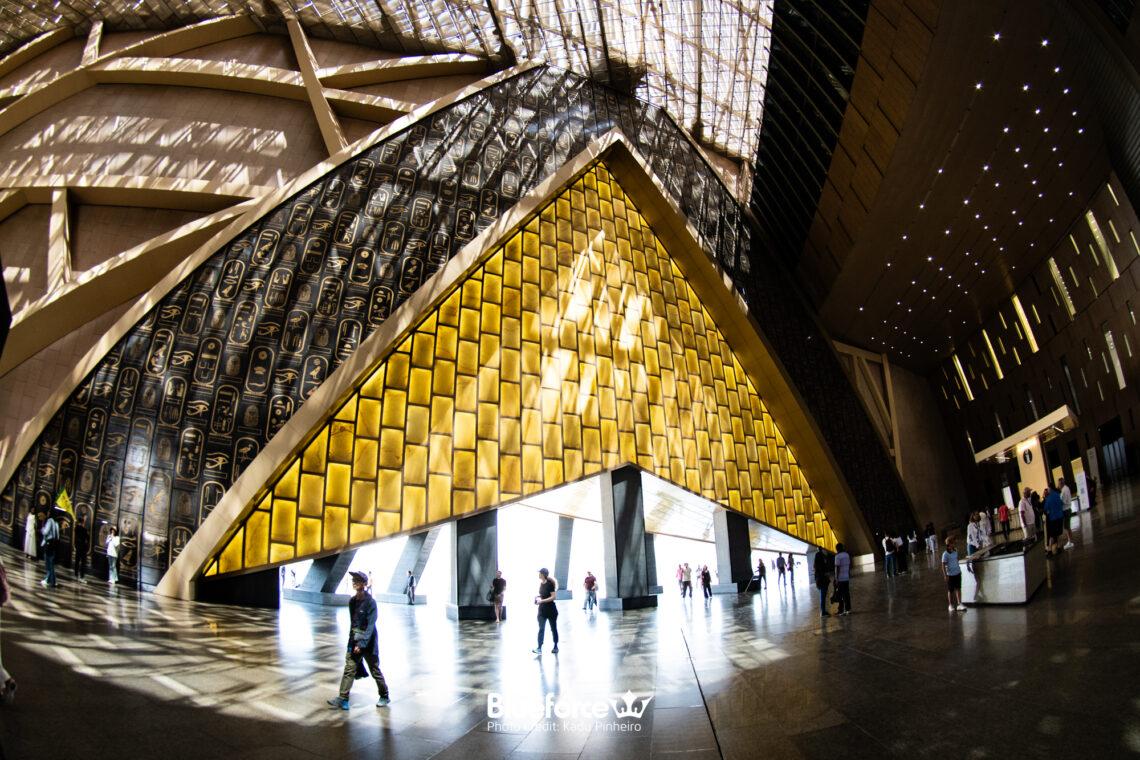
In 2000, in my mid-twenties, I visited the Egyptian Museum in Cairo’s Tahrir Square, where the magic of encountering relics like Tutankhamun’s golden mask sparked a lifelong passion for Ancient Egypt. That spark reignited in May 2025 when I explored the Grand Egyptian Museum (GEM), located near the Giza Pyramids. Armed with a camera, I captured hundreds of photographs, each preserving a moment of awe inspired by a space that blends the grandeur of the pharaohs with modern innovation. This article details my visit to the GEM, its historical significance, and practical information for visitors.
The Grand Egyptian Museum: An Architectural and Cultural Landmark
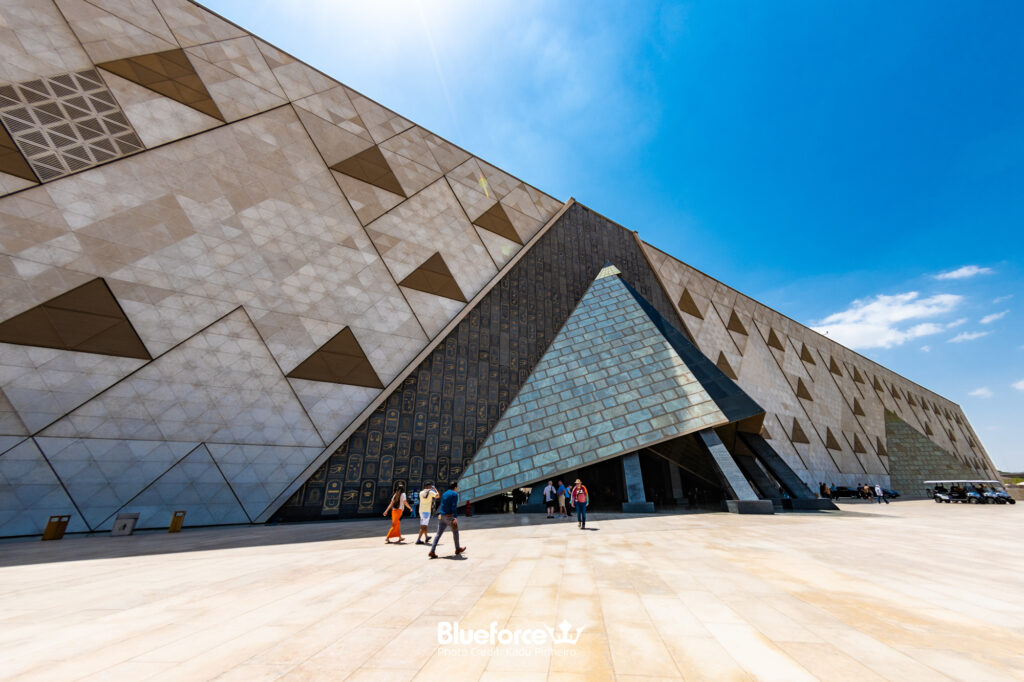
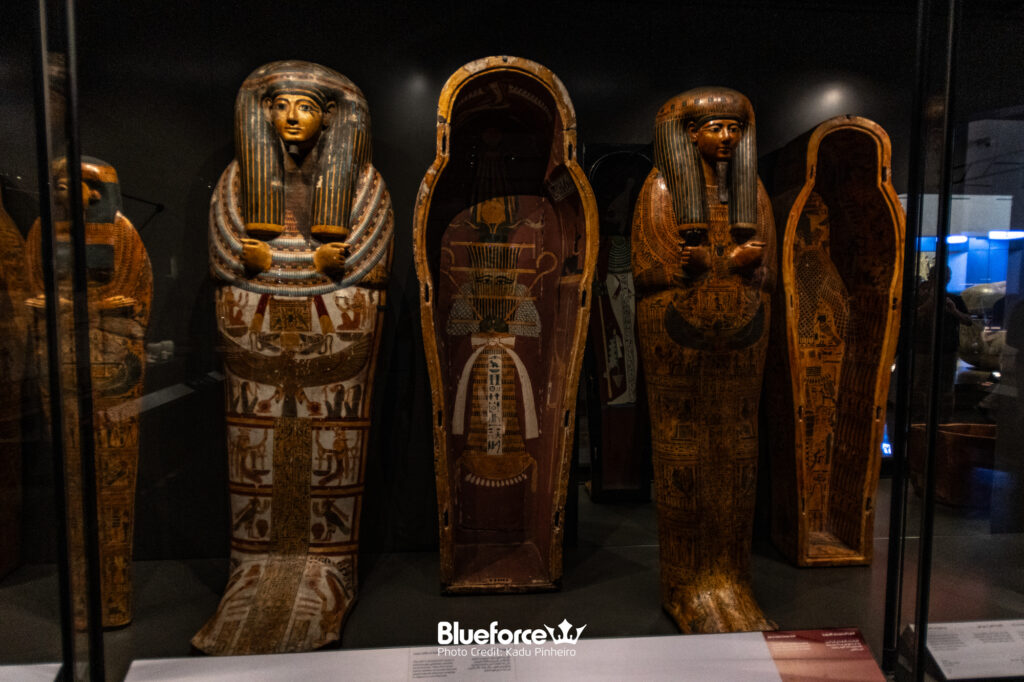
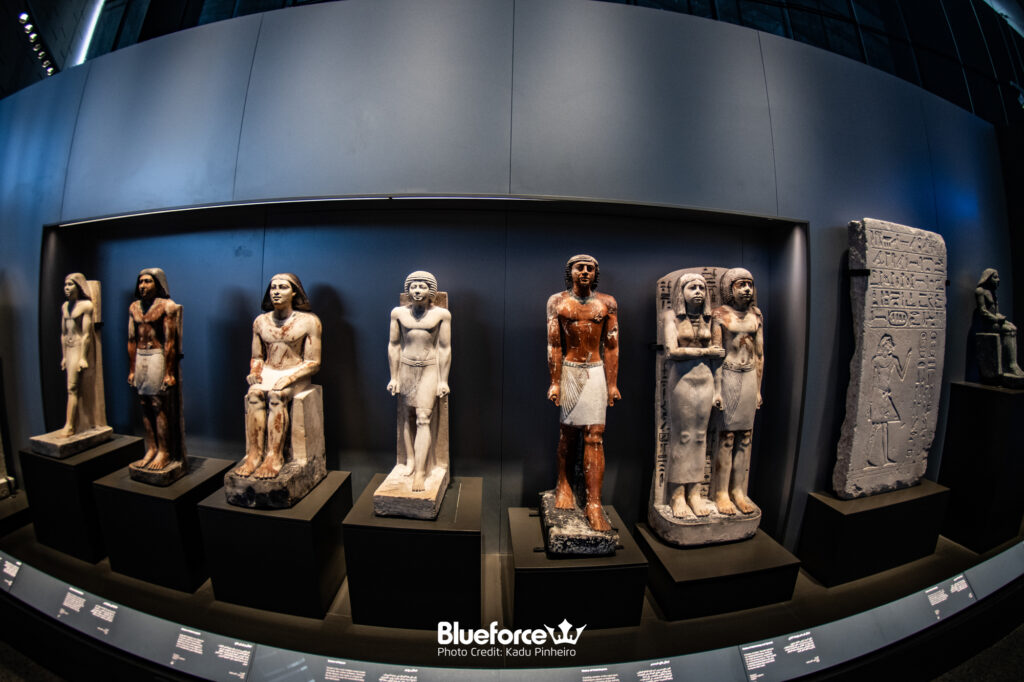
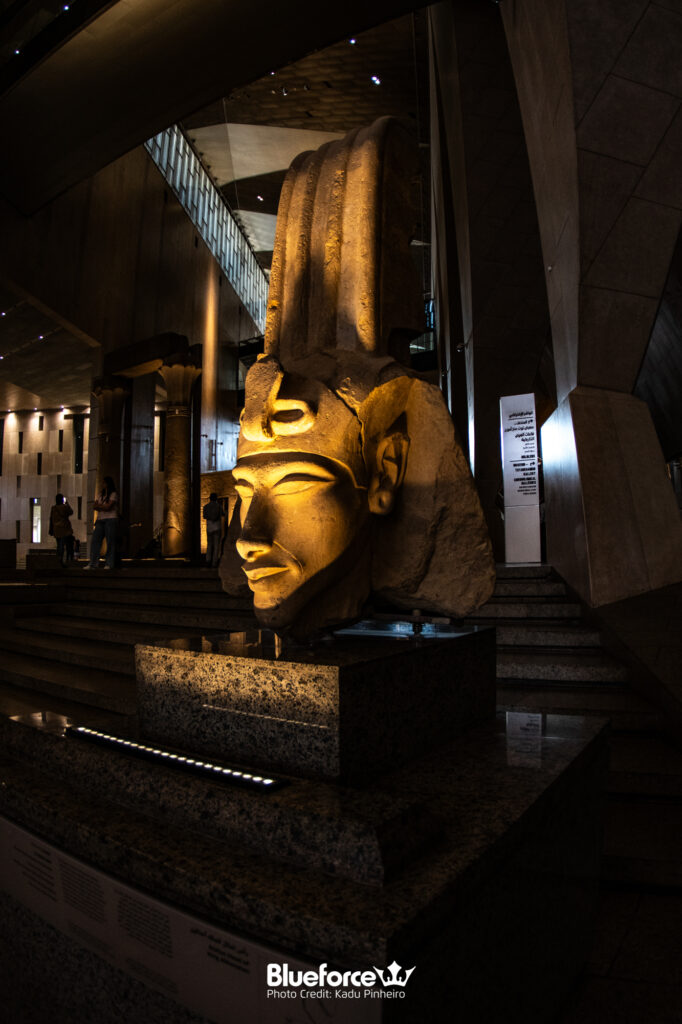
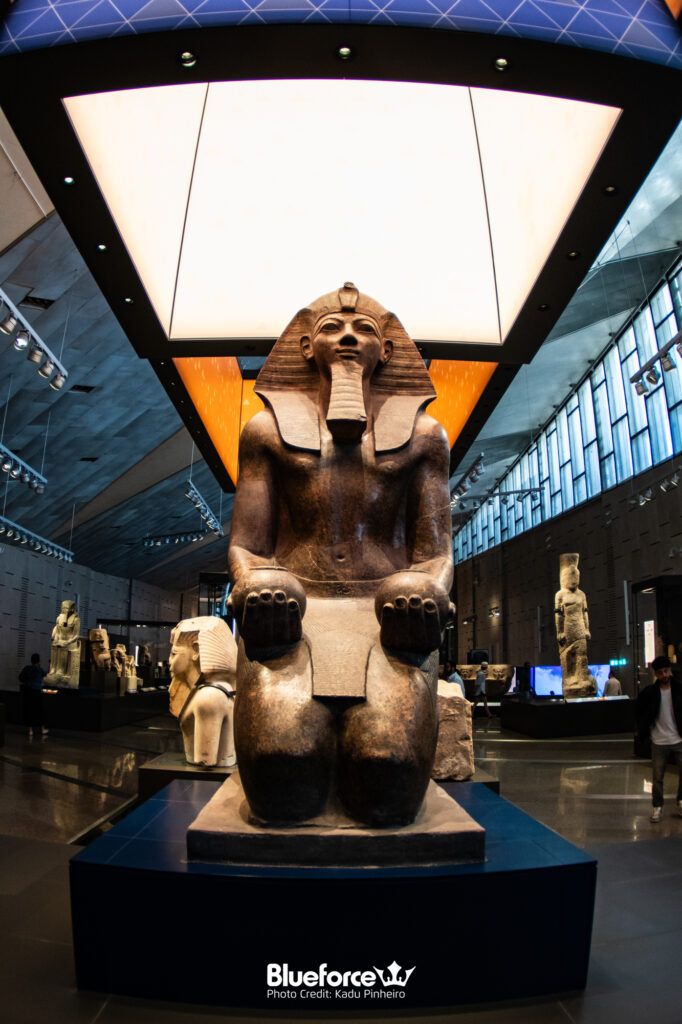
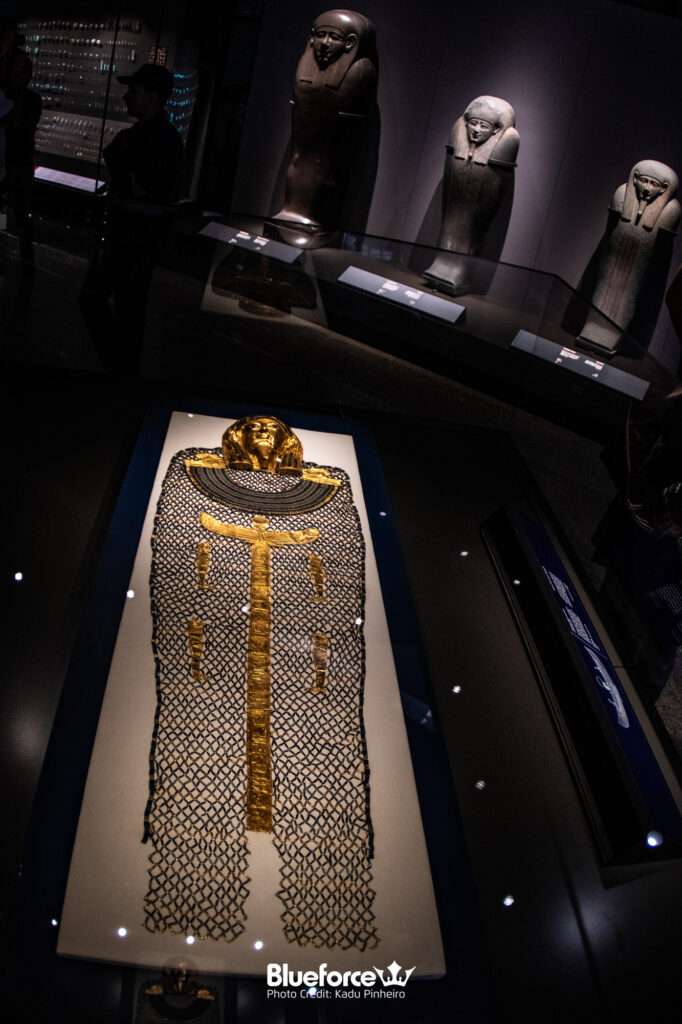
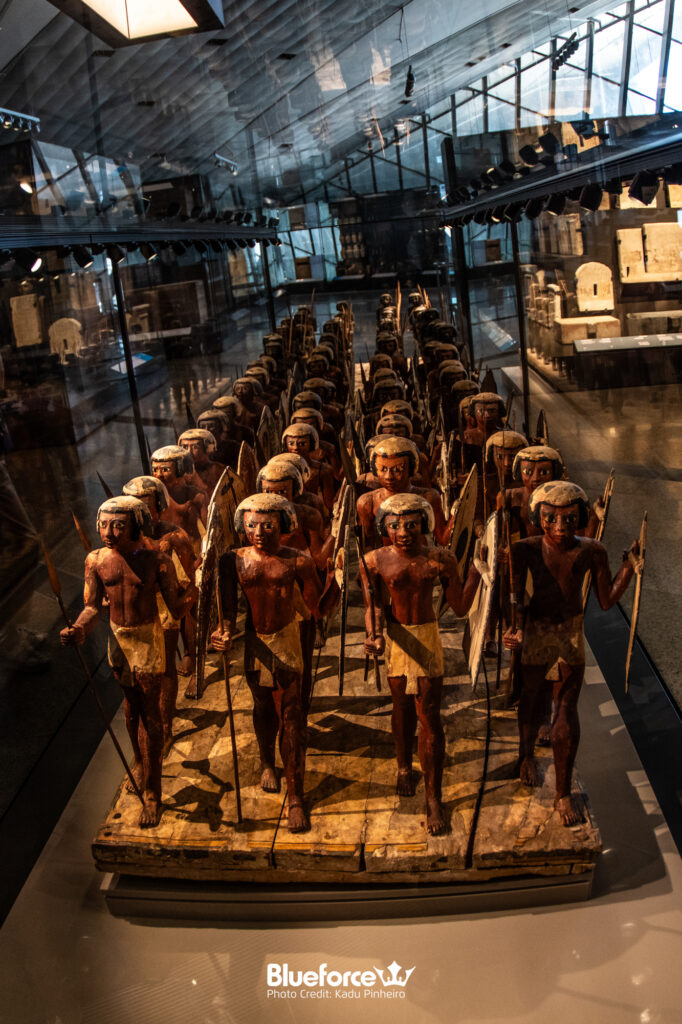
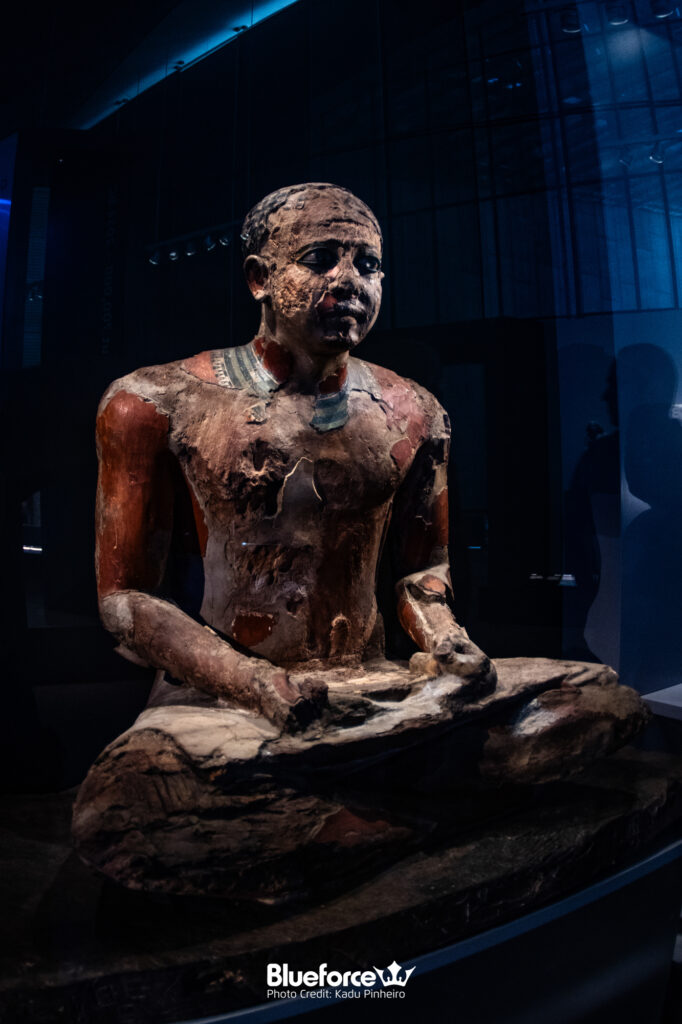
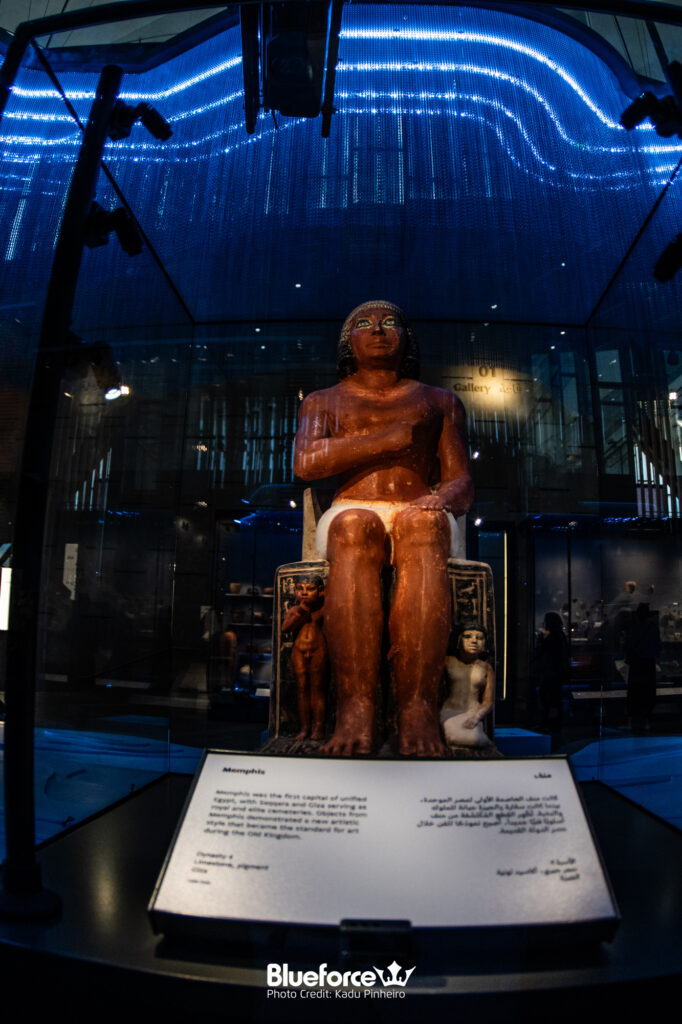
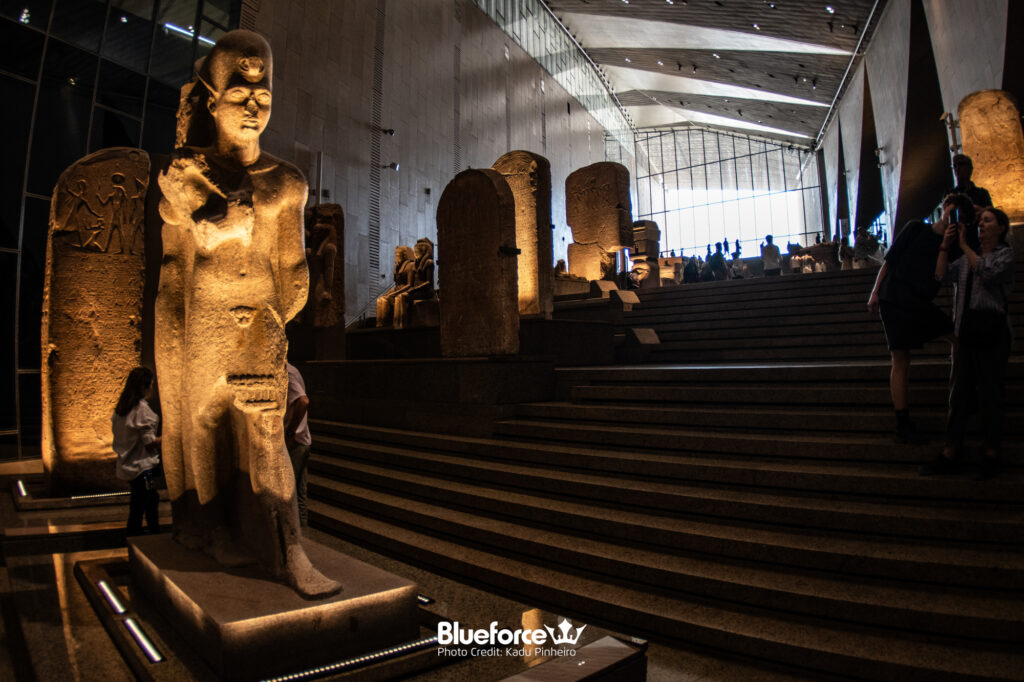
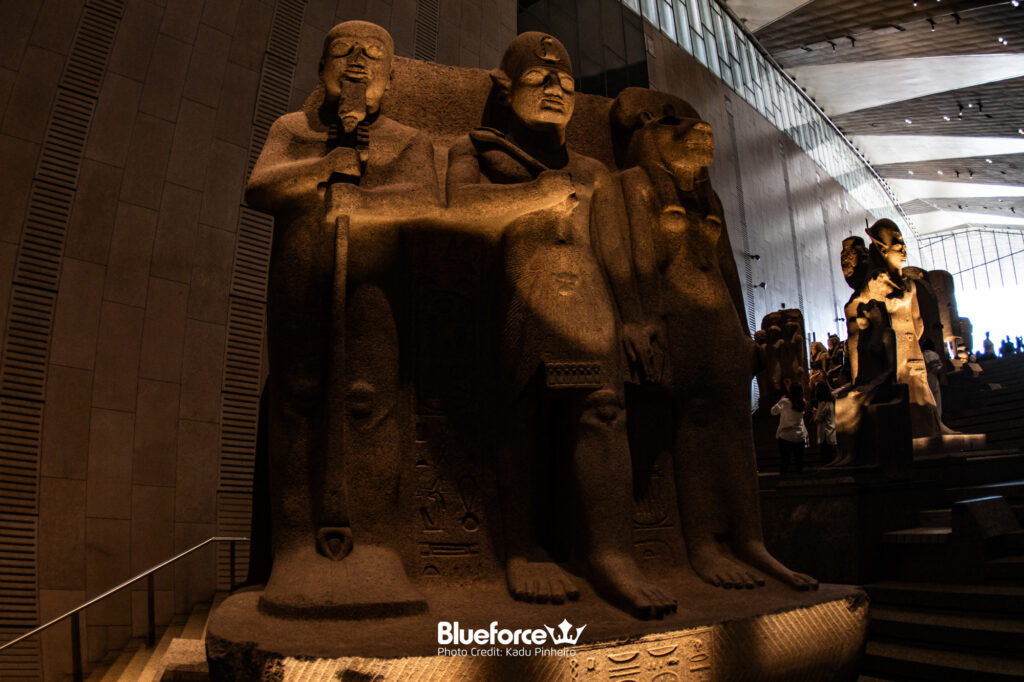
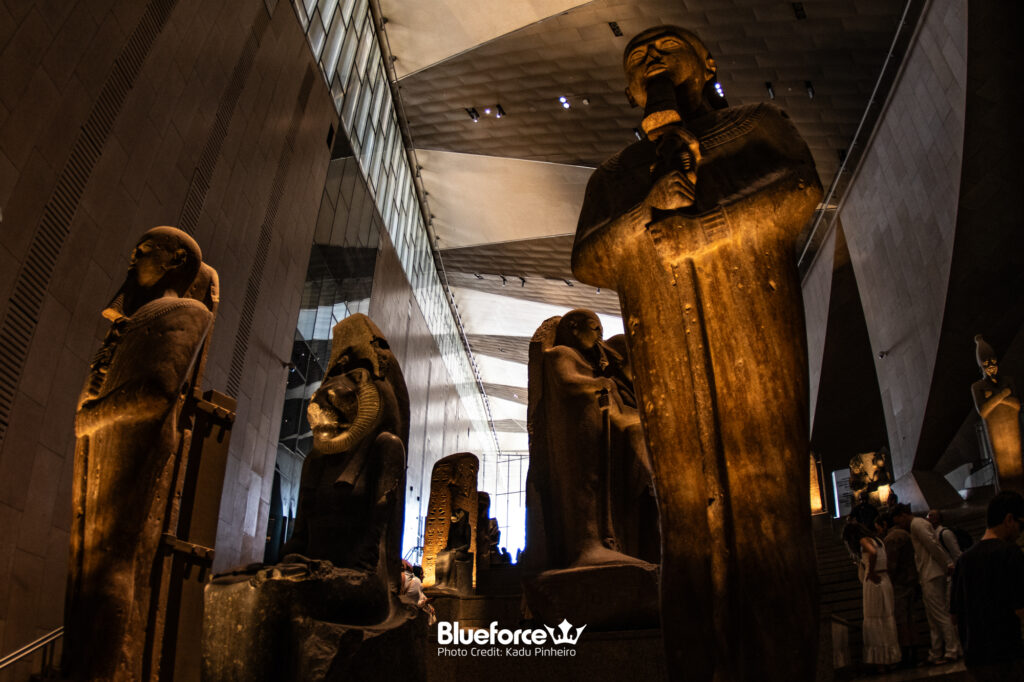
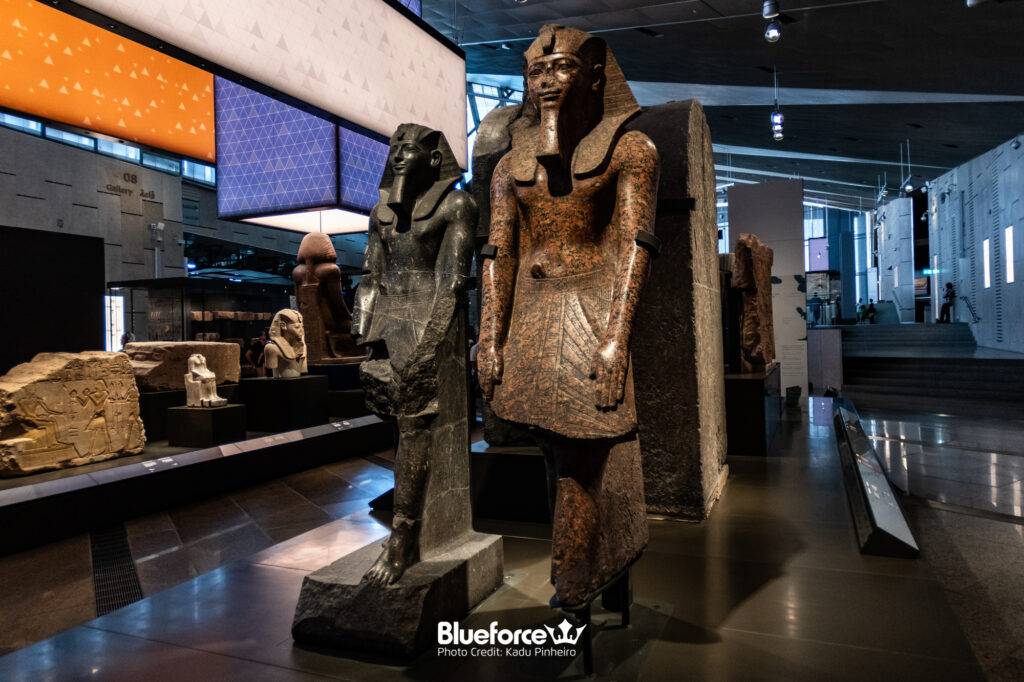
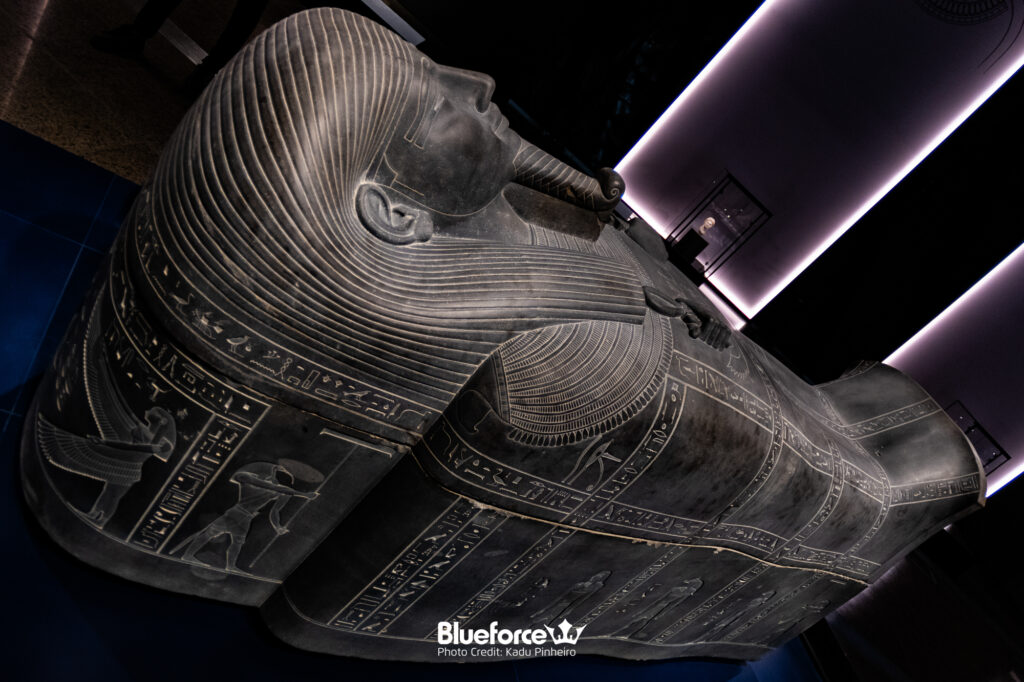
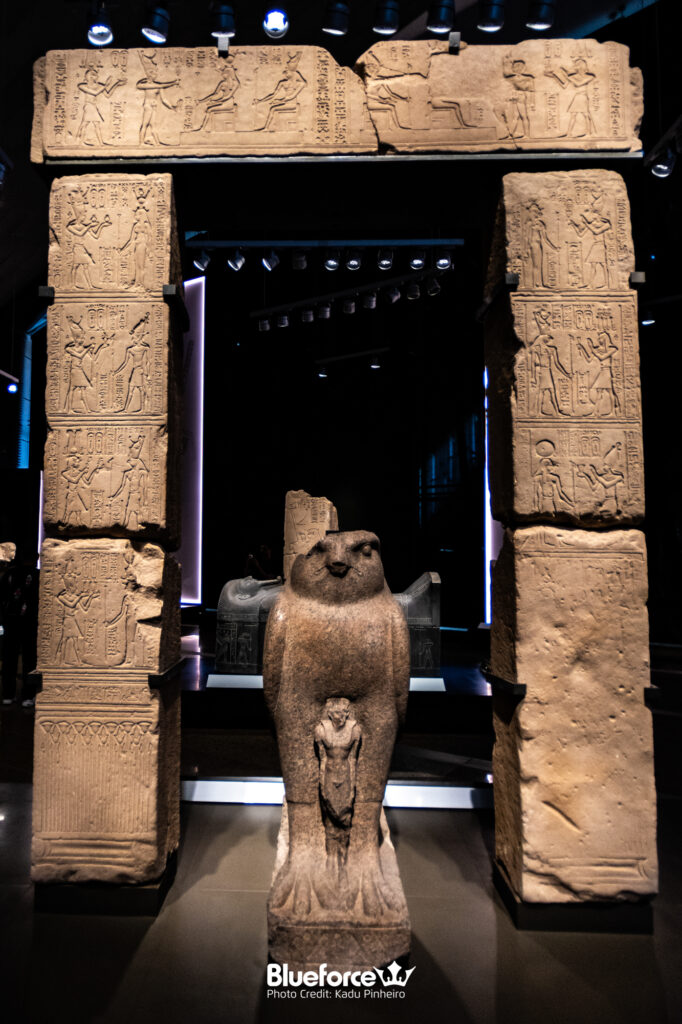
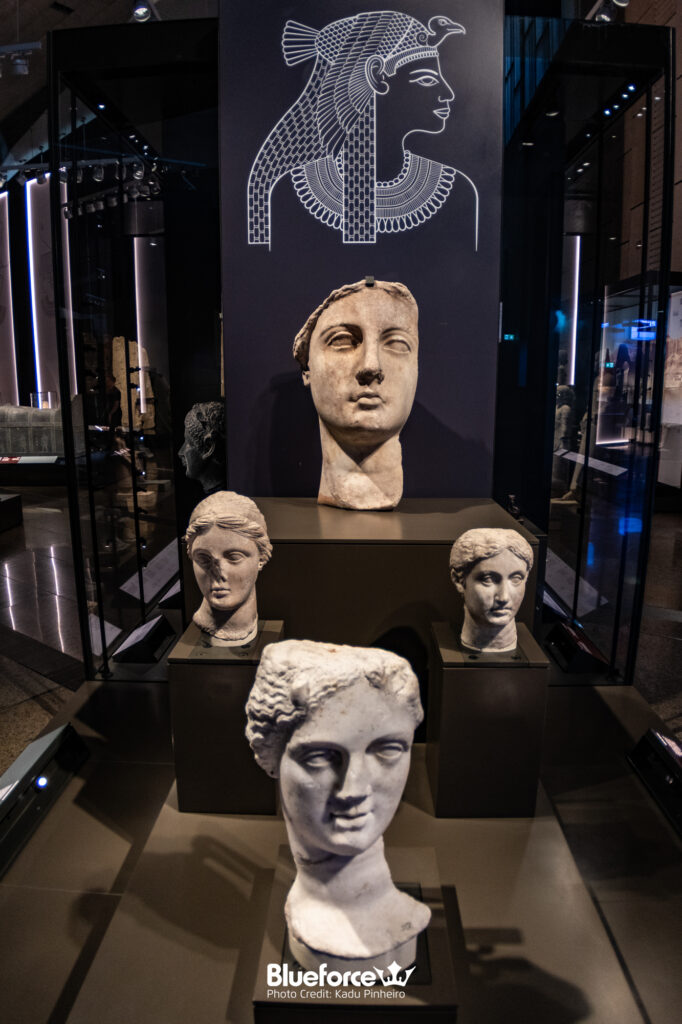
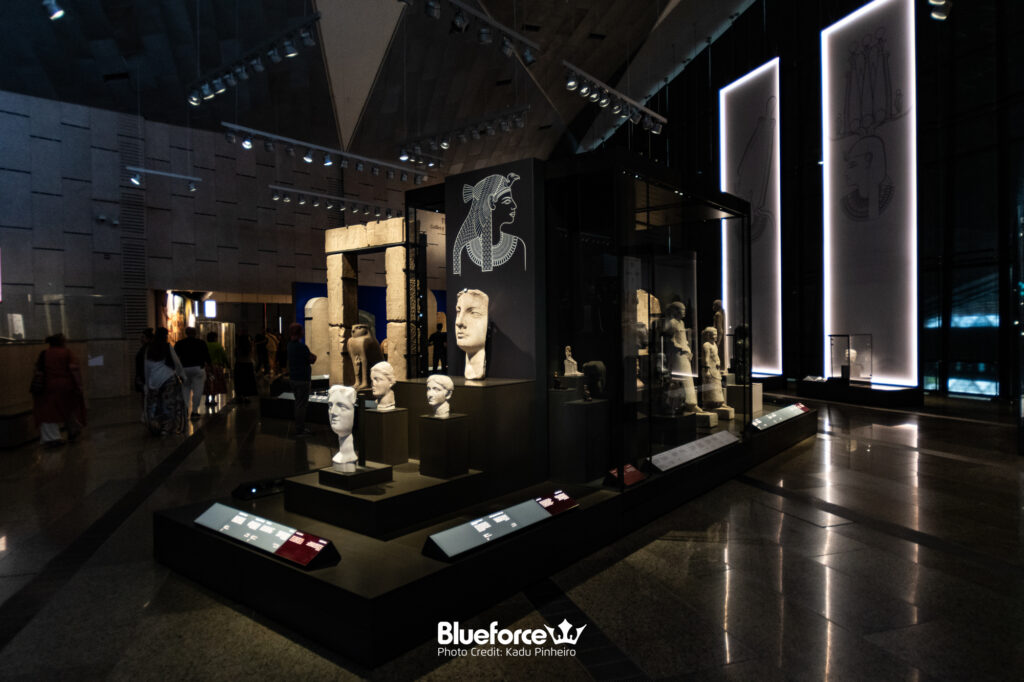
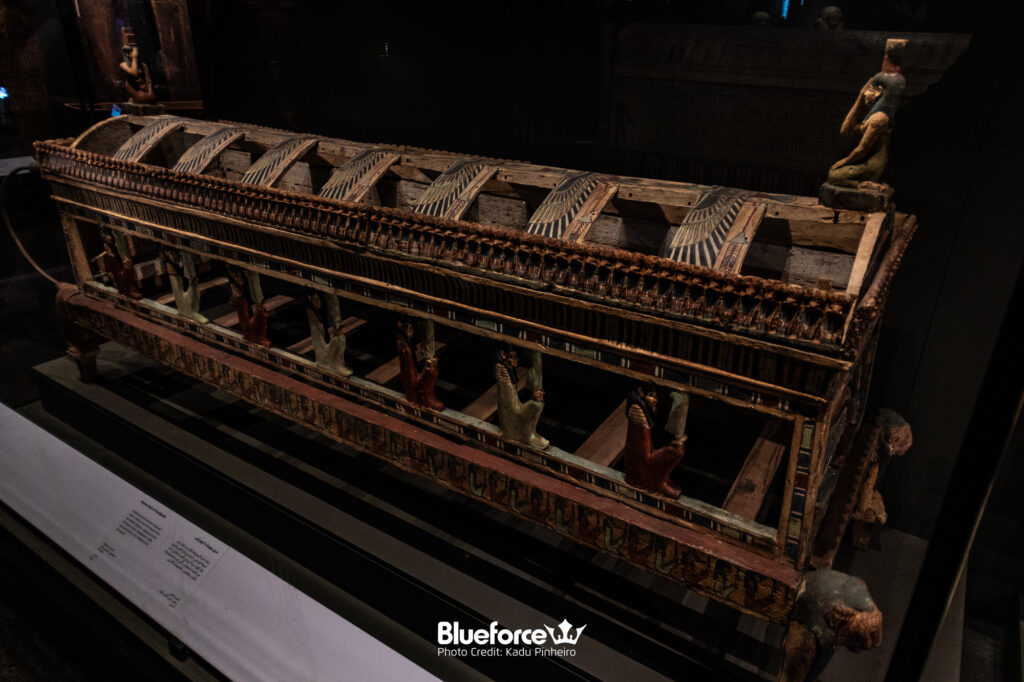
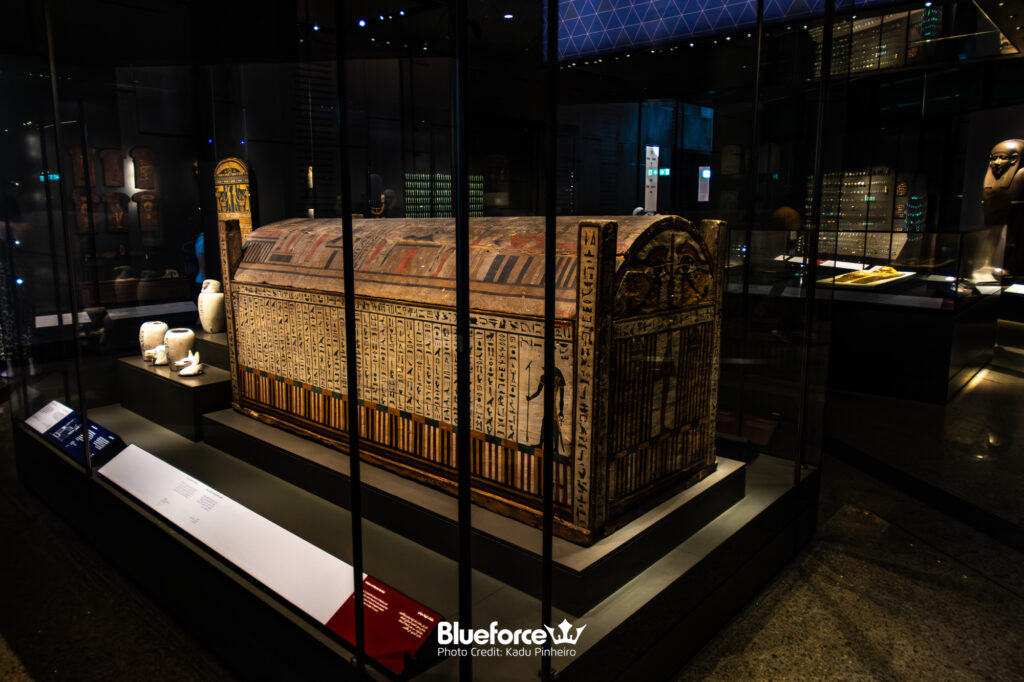
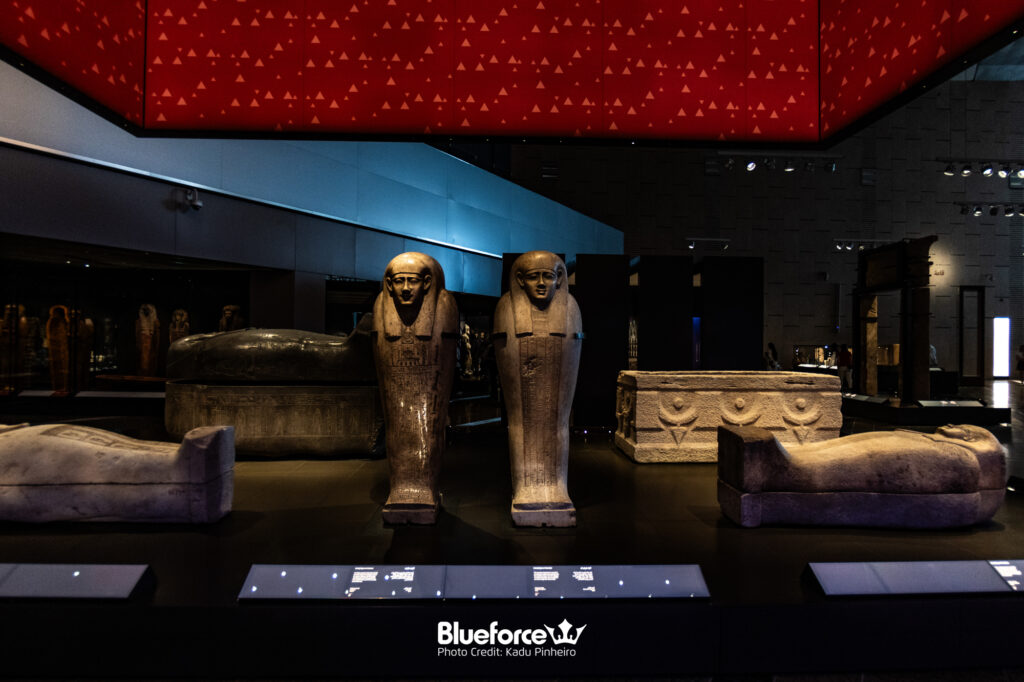
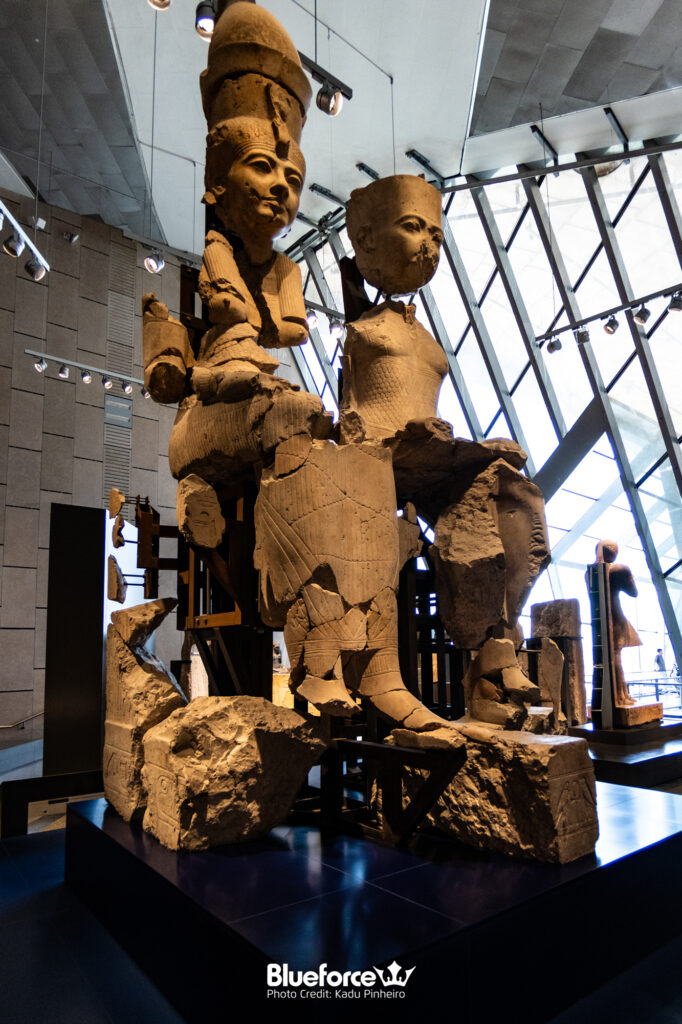
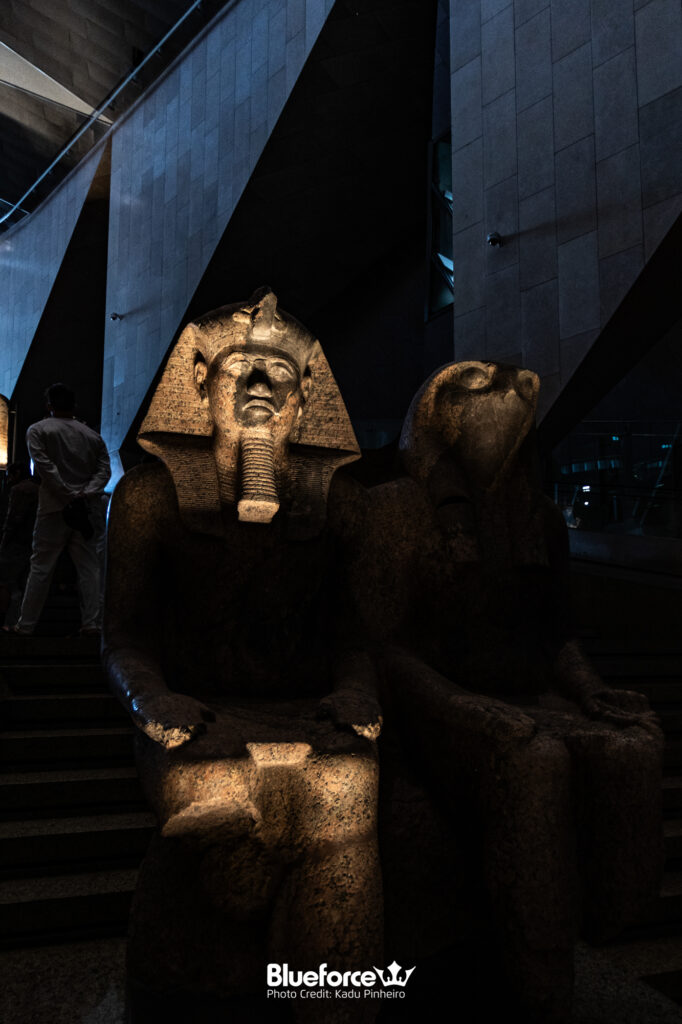
The Grand Egyptian Museum, situated 2 km from the Giza Pyramids, is designed to be the world’s largest archaeological museum. Spanning 490,000 square meters and built with an investment exceeding $1 billion, the GEM opened partially in October 2024, with its official opening scheduled for July 3, 2025. My visit in May 2025 was unforgettable: the entrance, dominated by an 83-ton statue of Ramses II, radiates timeless majesty under natural light. My photographs captured everything from intricately carved sarcophagi to delicate gold ornaments, each image a testament to the museum’s unparalleled collection.
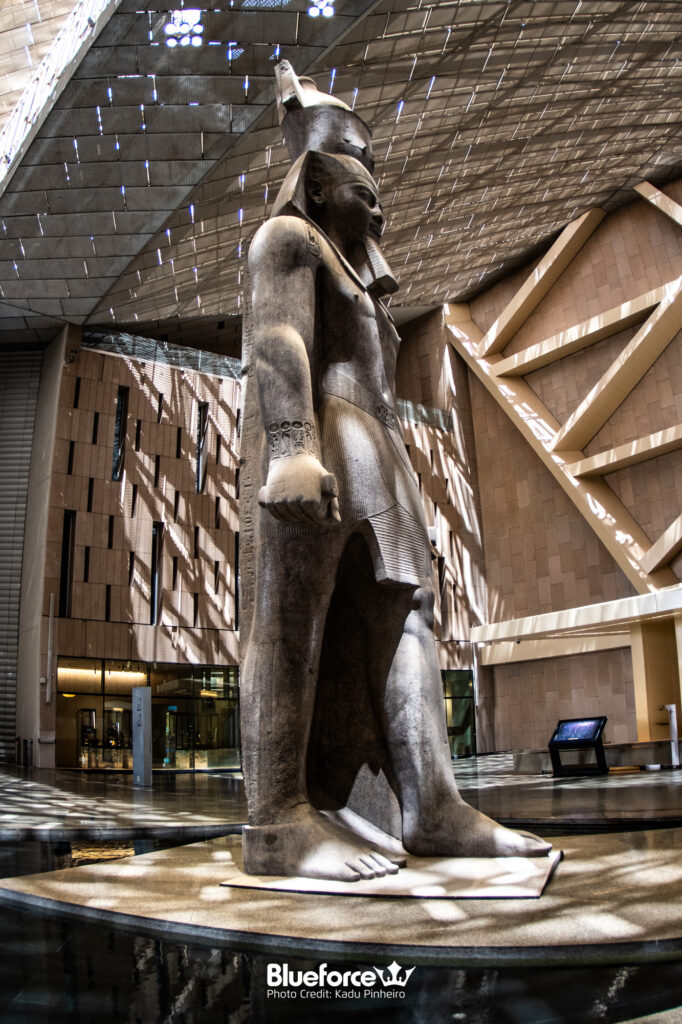
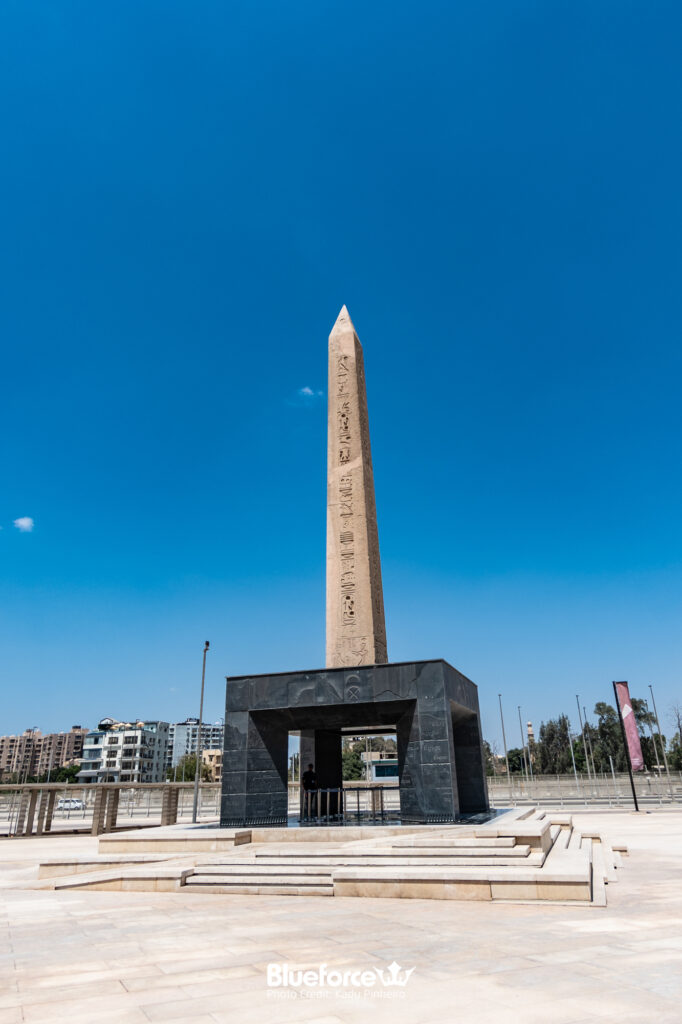
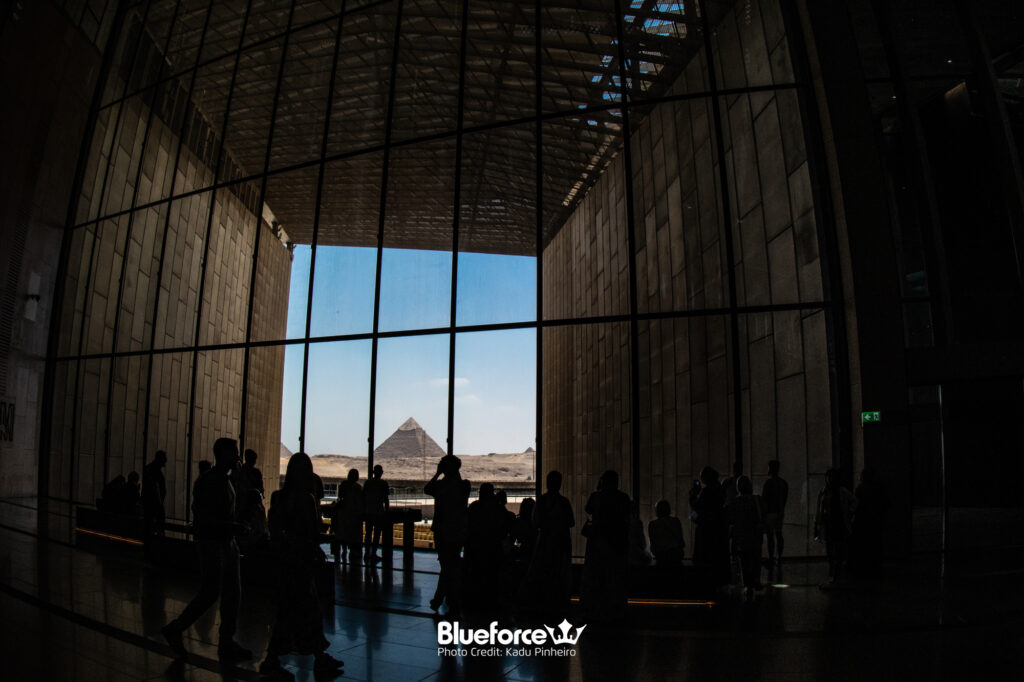
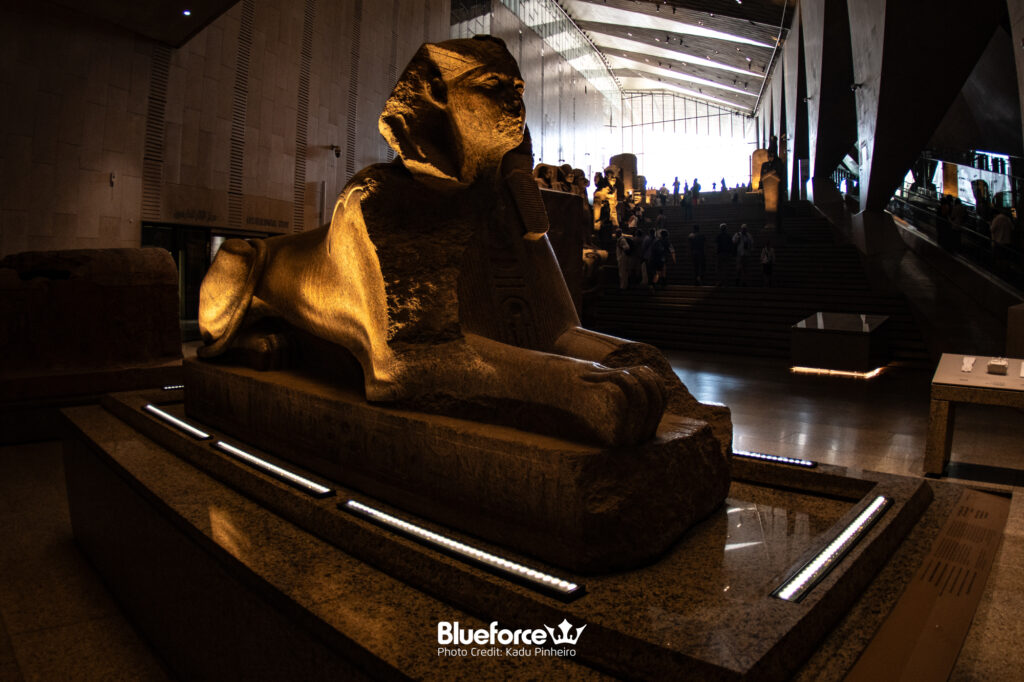
The GEM’s 12 main galleries, organized by dynasty, house approximately 15,000 artifacts, many displayed for the first time. The chronological layout guides visitors from Prehistoric times to the Greco-Roman period, with the upcoming Tutankhamun exhibition—featuring over 5,000 items, including his iconic golden mask—as a centerpiece. Cutting-edge technology enhances the experience: interactive screens, QR codes with detailed information, and a virtual reality gallery on funerary rituals create an immersive journey. The Grand Staircase, lined with colossal statues and offering panoramic views of the pyramids, was a highlight for my photography, linking the museum to the Giza Plateau’s ancient legacy.
Beyond its galleries, the GEM includes a children’s museum, a library, restoration laboratories, and commercial areas, underscoring its role as a cultural and educational hub. The air-conditioned, spacious design ensures comfort, even in Egypt’s heat, allowing visitors to explore for hours.
Historical Context and Significance
Conceived in 1992 and with construction beginning in 2005, the GEM was designed by Heneghan Peng Architects, winners of an international competition. Its translucent alabaster facade and triangular form, aligned with the pyramids of Khufu and Menkaure, pay homage to Egypt’s heritage. The museum succeeds the Egyptian Museum in Tahrir Square, founded in 1902, which long served as the primary repository for pharaonic artifacts. Items like Khufu’s Solar Boat have been transferred to the GEM, cementing its status as the new epicenter of Egyptology.
The GEM is more than a tourist destination; it’s a global landmark for preserving and studying Ancient Egypt. With a capacity to host up to 15,000 visitors daily, the museum reflects Egypt’s commitment to cultural tourism, supported by international partnerships such as funding from the Japan International Cooperation Agency (JICA).
Practical Information for Visitors
Based on the Grand Egyptian Museum’s official website, here are key details for planning a visit:
Location: El Remaya Square, Giza, 10 minutes from the Giza Pyramids.
Hours: Galleries open from 9 AM to 5 PM; commercial and outdoor areas from 8:30 AM to 6 PM.
Tickets: Approximately $25 (1,200 Egyptian pounds) for foreign visitors, with reservations available at grandegyptianmuseum.org.
Access: Taxis, Uber, or private transfers are recommended. The nearest metro station is Remaya. A 2-km walkway connects the museum to the Giza Pyramids.
Tips: Book tickets in advance via the official website, bring a water bottle, and wear comfortable shoes due to the museum’s vast size. Audio guides (available in multiple languages) or local guides enhance the experience.
Final Thoughts
My visit to the Grand Egyptian Museum in May 2025 was a profound celebration of Ancient Egypt’s legacy, elevated by modern infrastructure and innovative technology. The hundreds of photos I took—of towering statues and intricate pharaonic jewels—capture the grandeur of a space that honors the past while embracing the future. The magic I felt at the Egyptian Museum in 2000 found a new expression in the GEM, offering a more accessible and immersive experience. For travelers, whether arriving from a Blue Force Fleet diving cruise, the Grand Egyptian Museum is a must-visit, a gateway to the secrets of the pharaohs.
Sources: grandegyptianmuseum.org,



You May Also Like

The KINGSTON Wreck: History, Mystery and Marine Life on the Northern Extended Route of the Red Sea
Discover the Red Sea with Blue Force!