Between seasons: the Red Sea discovered by divers who know when to travel
When people talk about diving in the Red Sea, most calendars point straight to the summer and autumn months. However, between the end of winter and the beginning of spring, the sea enters a transitional phase that many divers overlook… and which hides some of the best conditions of the year.
March, April, and May are not in-between months. They are months of balance. Of stability. Of comfortable, calm, and surprisingly complete diving.
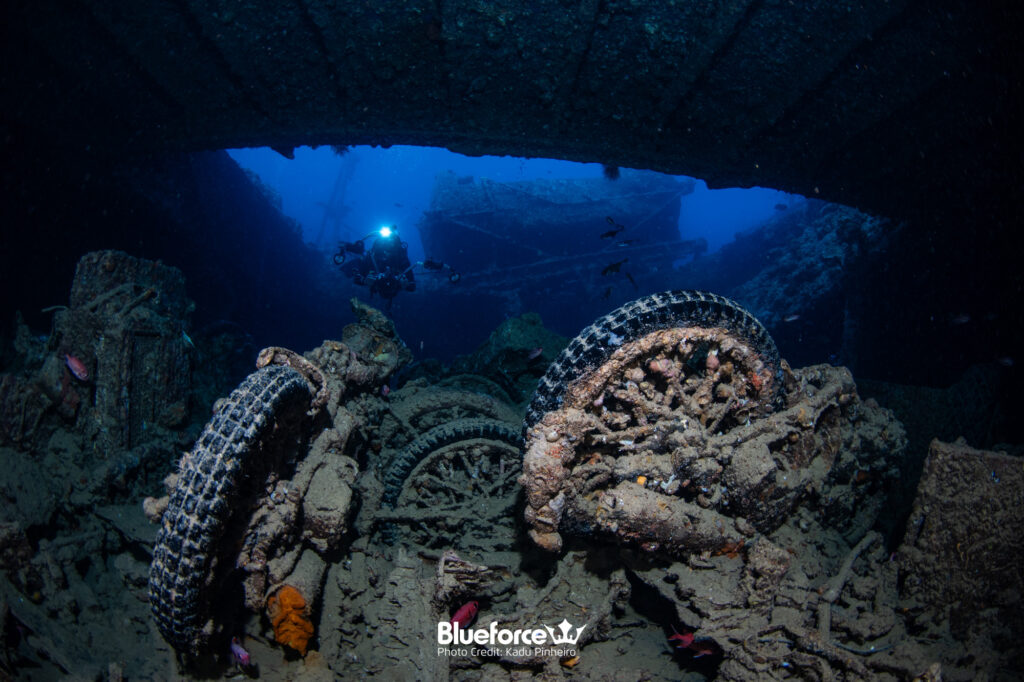
A subtle change that transforms the diving experience
As winter fades away, the characteristic winds of the early months of the year begin to lose intensity. The result is immediate: calmer seas, smoother crossings, and especially pleasant days on board.
At the same time, water temperatures begin to rise gradually. Although they have not yet reached summer levels, a suitable thermal protection suit allows for longer, more relaxed dives, creating an ideal scenario to enjoy Red Sea diving.
Stable visibility and ideal underwater conditions
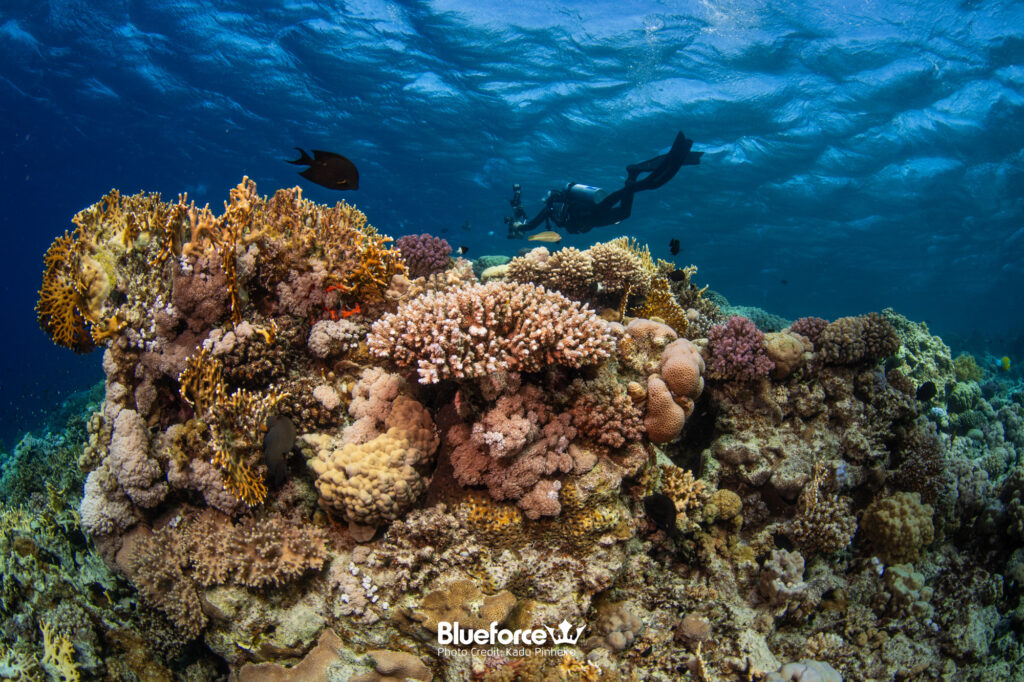
One of the great advantages of early spring in the Red Sea is the consistency of conditions. During March, April, and May, visibility usually remains high and stable, with very little variation throughout the day.
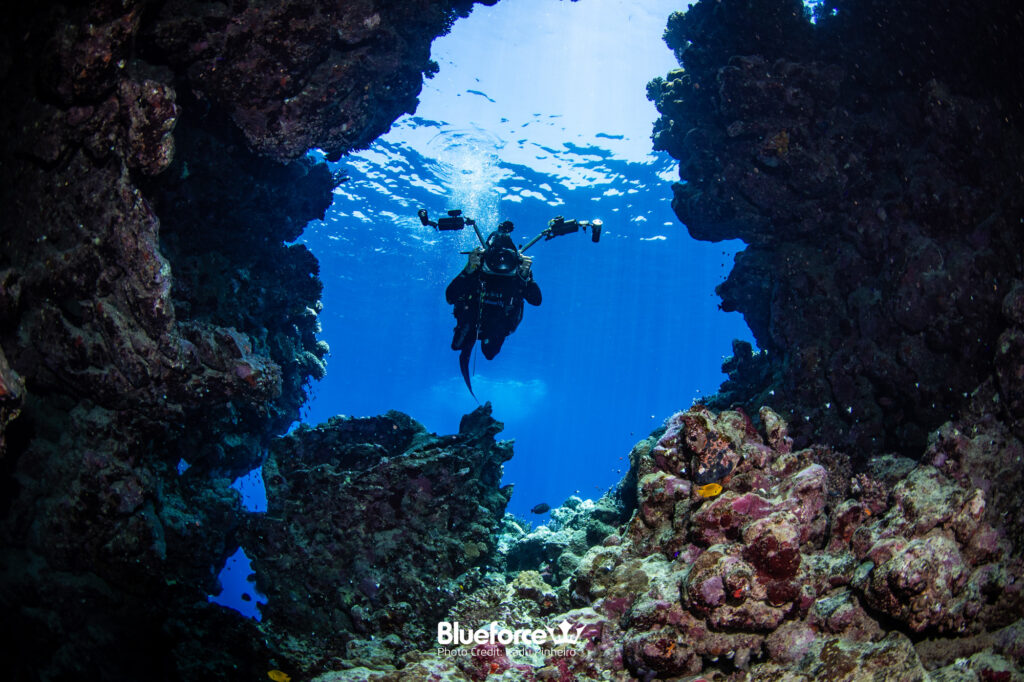
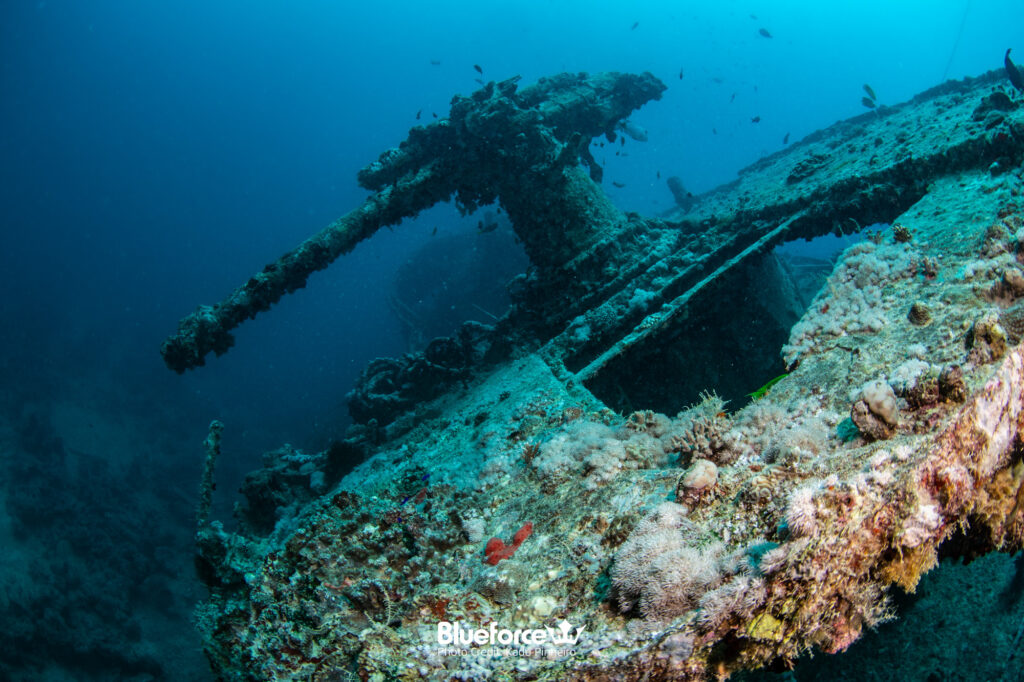
This stability is particularly valued by underwater photographers and videographers, who benefit from more controlled light, clean backgrounds, and a predictability that makes dive planning easier. Wrecks, walls, and reefs reveal themselves clearly and without rush.
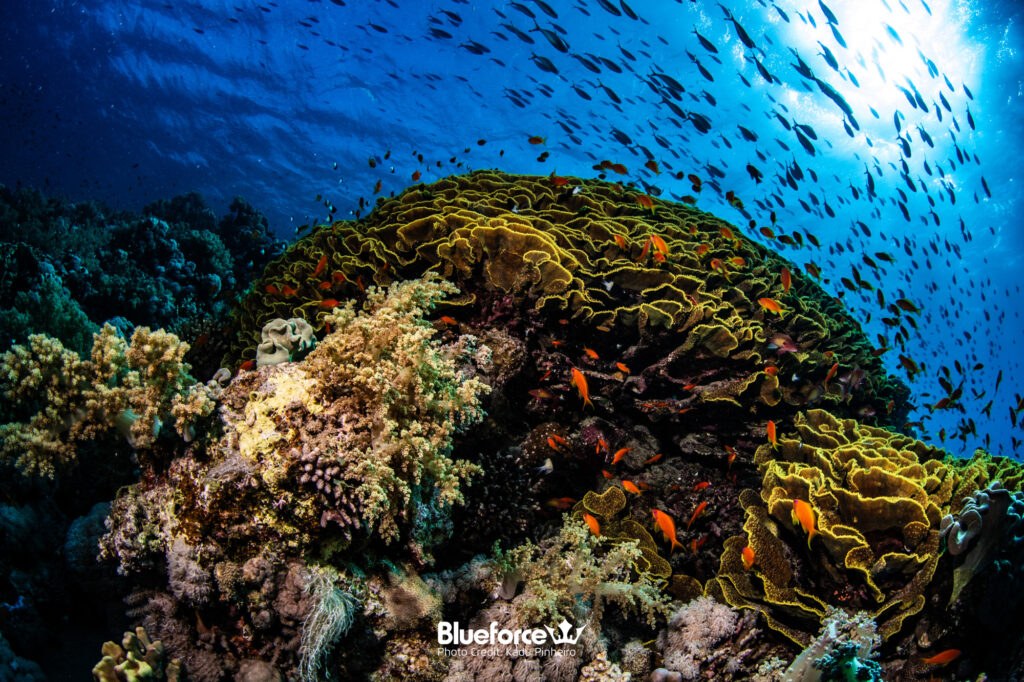
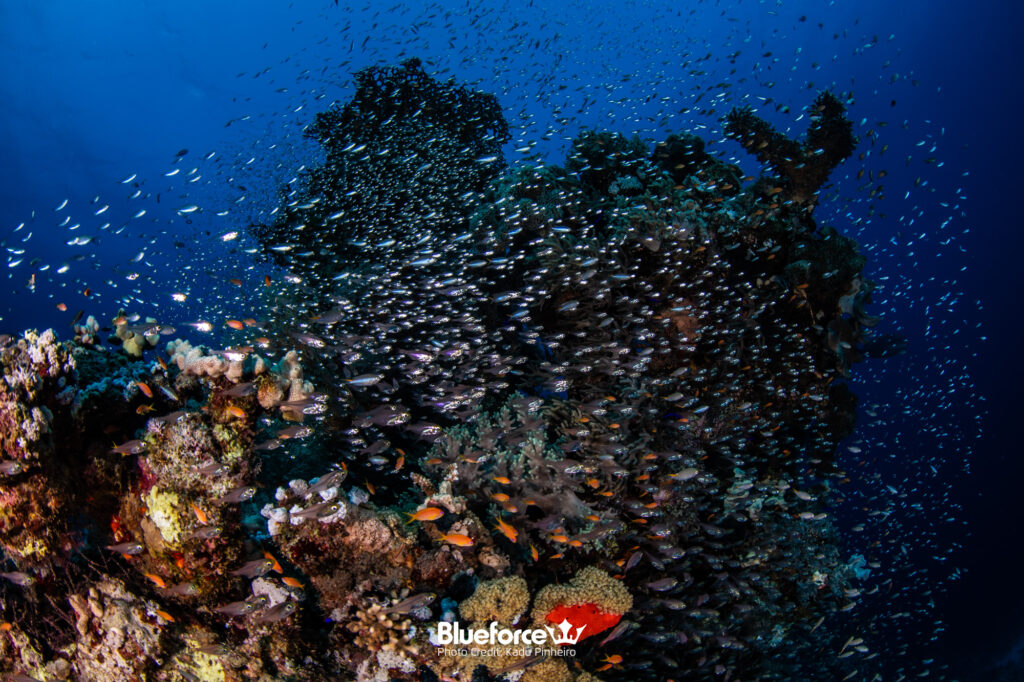
Vibrant reefs and peak marine activity
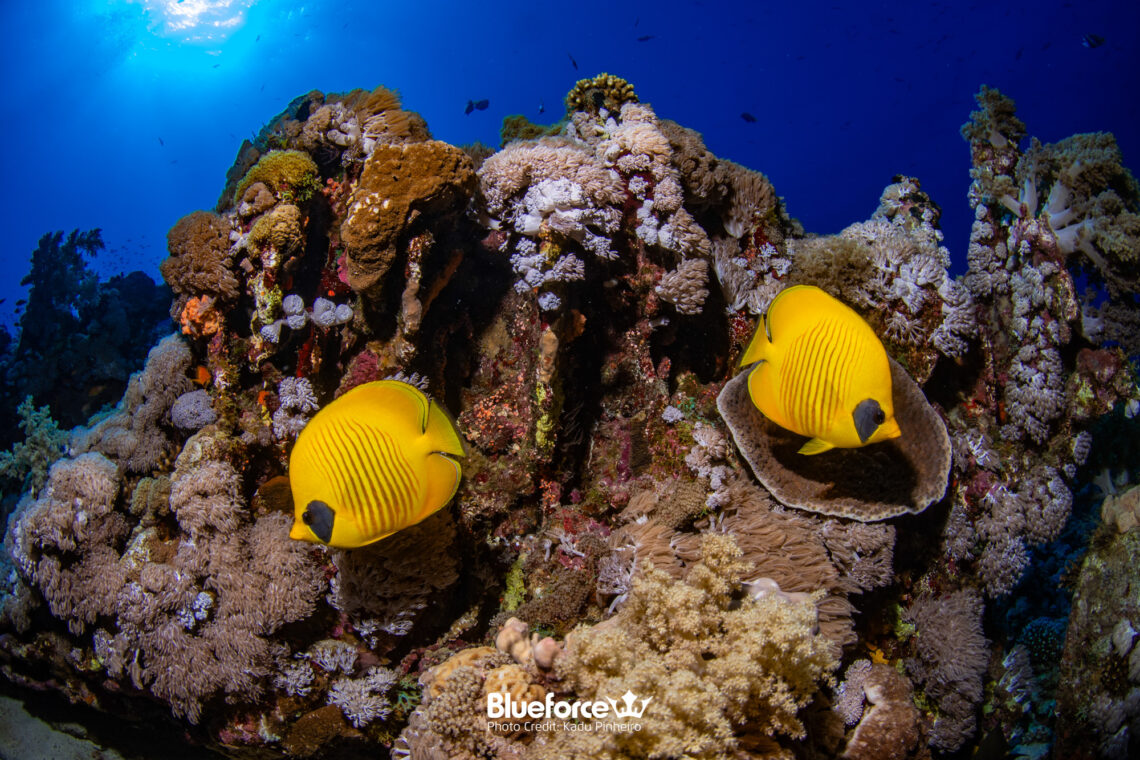
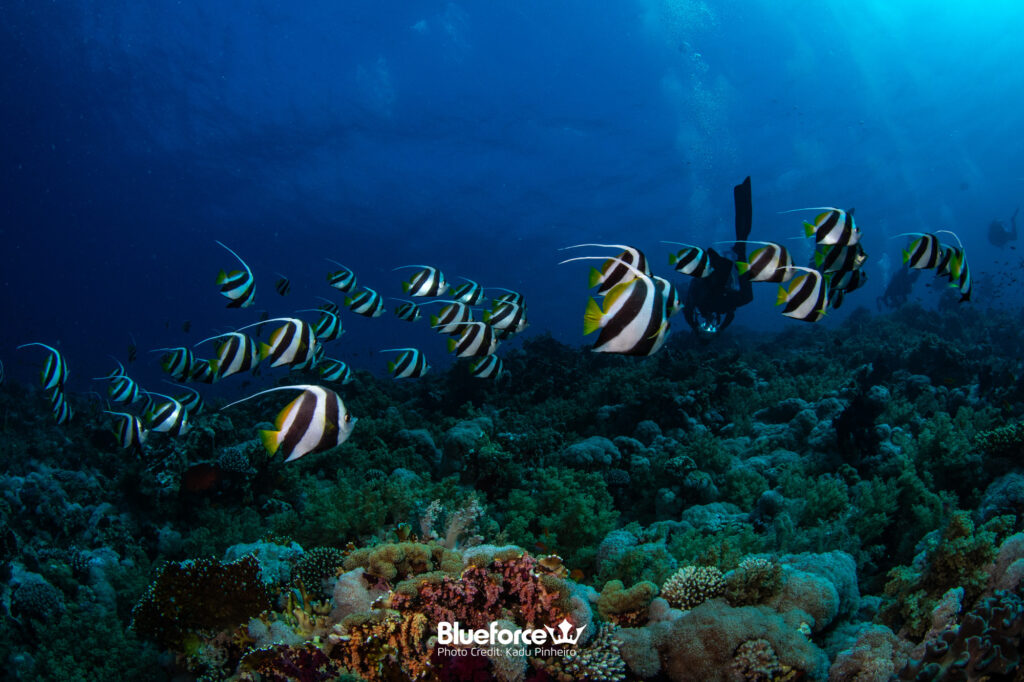
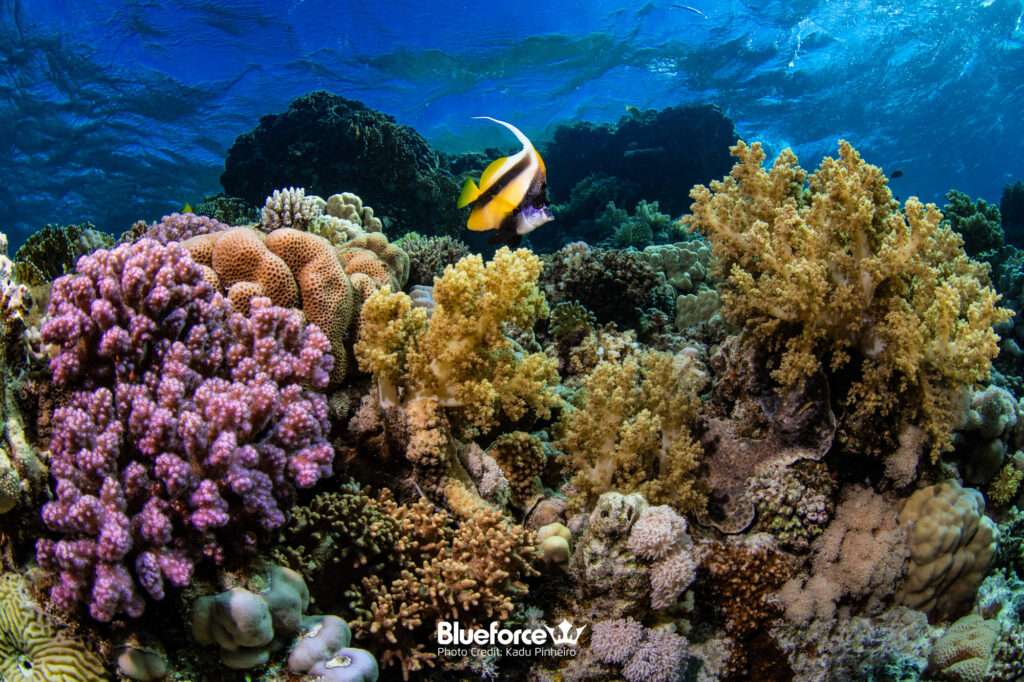
Spring also makes itself felt underwater. The reefs begin to show intense and highly visible biological activity.
It is an excellent time to observe natural behaviors, clean interactions, and a healthy, dynamic reef that is minimally affected by tourist pressure.
Fewer boats, more Red Sea
Traveling outside the high season comes with an undeniable advantage: dive sites can breathe.
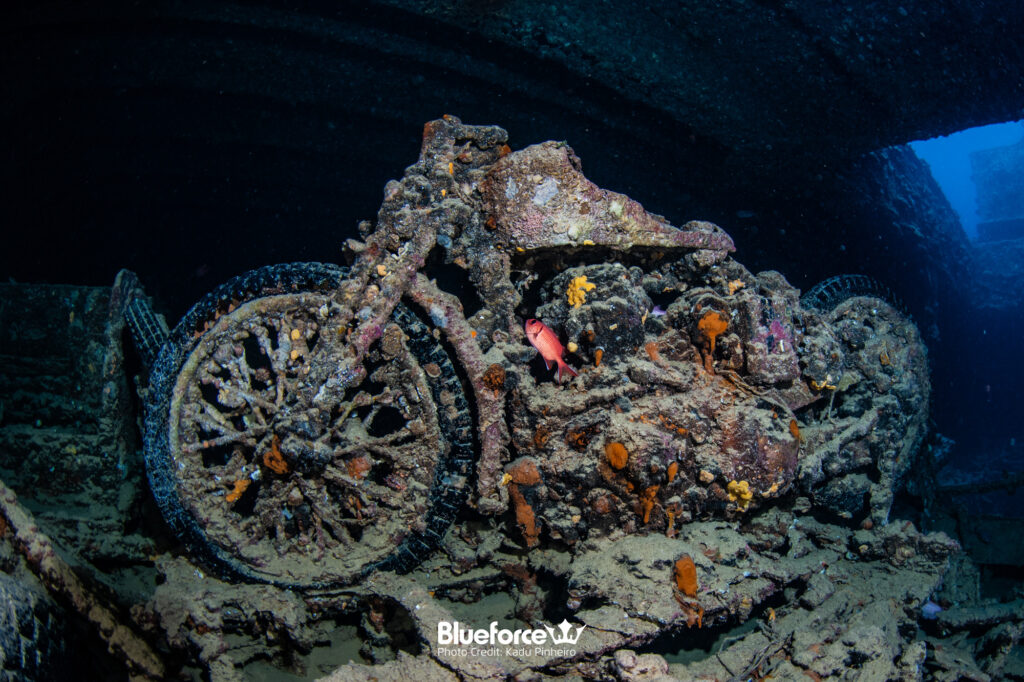
Between March and May, tourist pressure decreases significantly, even at iconic locations such as Ras Mohamed or the SS Thistlegorm, greatly enhancing dive quality and the feeling of exclusivity underwater.ment.
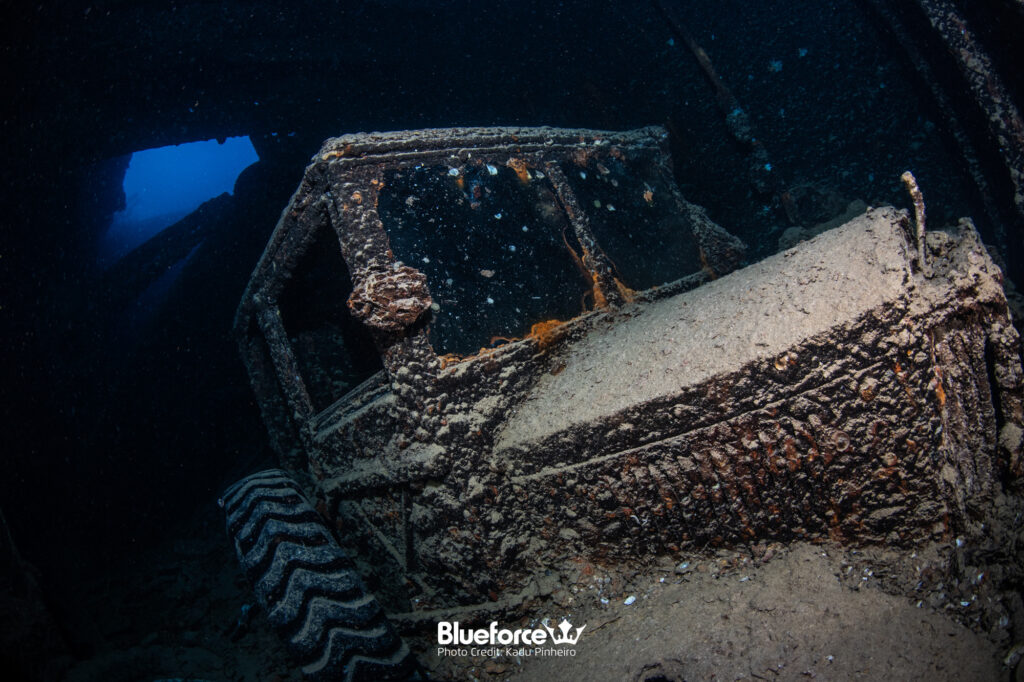
Better value for your dive trip
Before the high season begins, the Red Sea offers excellent value for money. Greater availability, more competitive airfares, and more flexible logistics make these months especially appealing for photographers, experienced divers, and travelers with flexible schedules.
A different Red Sea, for those who know how to choose
The combination of climatic stability, reliable visibility, active reefs, and fewer divers makes March, April, and May one of the most balanced times to dive the Red Sea. A different Red Sea. Calmer. More authentic. For those who know when to travel..

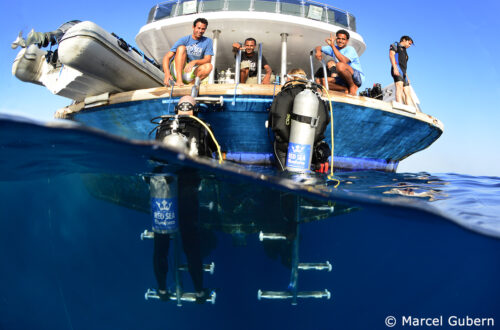
Dive the Red Sea aboard Red Sea BLUE FORCE 2
Experiencing the Red Sea outside the high season makes a difference… and doing so aboard a liveaboard multiplies it.
Aboard Red Sea BLUE FORCE 2, Blue Force Fleet operates weekly cruises departing every Saturday from Sharm El Sheikh, following the Northern Red Sea Route—one of the most complete and iconic itineraries in the destination.
During the trip, we explore some of the Red Sea’s best dive sites: Ras Mohamed, the Strait of Tiran (Jackson, Woodhouse, Thomas, and Gordon Reef), and the legendary SS Thistlegorm, one of the most impressive wrecks in the world.
All of this with the comfort of a vessel specifically designed for diving, small groups, spacious onboard areas, and the premium service that defines the Blue Force Experience.
Book your liveaboard cruise aboard Red Sea BLUE FORCE 2
If you are looking for the best time to dive the Red Sea—with balanced conditions, fewer boats, and a carefully curated experience—spring is your moment.
Check availability and reserve your spot on one of our weekly cruises departing from Sharm El Sheikh. Discover the Red Sea as it truly deserves to be experienced.
Don’t dream it. Live it.


You May Also Like
Night Dives in the Red Sea
The Red Sea Isn’t Red