THE NORTHERN MALDIVES
WHERE ANOTHER STORY BEGINS
A journey to the Northern Maldives reveals that even the most iconic destinations still hold secrets. Far from the usual routes, this itinerary invites divers to rediscover the archipelago through exploration, silence, and the intensity of a still-wild ocean.
The Maldives is one of those places divers inevitably return to. Routes change, seasons shift, expectations evolve—but the magnetism remains. Over the years, I’ve explored its southern channels and central atolls, the iconic dive sites that fill travel magazines, dive journals, and social media feeds. I genuinely thought I already knew the whole story. I was wrong.
Accepting the invitation to document an expedition to the Northern Maldives meant opening a new chapter—one that is more remote, quieter, and far less shaped by tourism. Here, where the archipelago stretches northward and boats become scarce, the Maldives once again reveals its true nature: a wild, untamed ocean.
When the familiar becomes uncharted
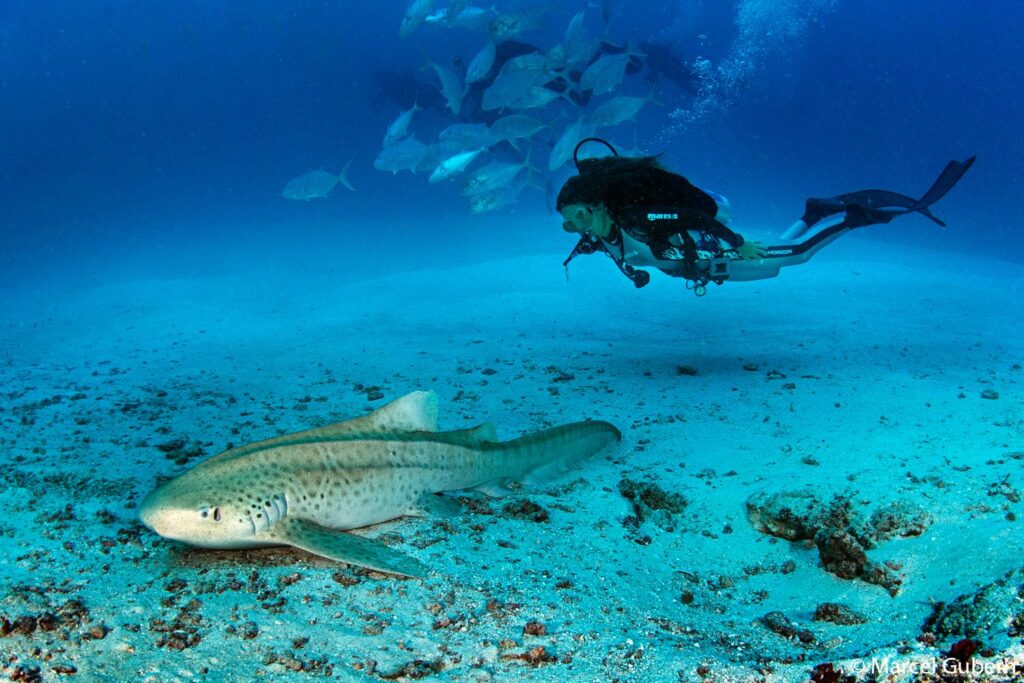
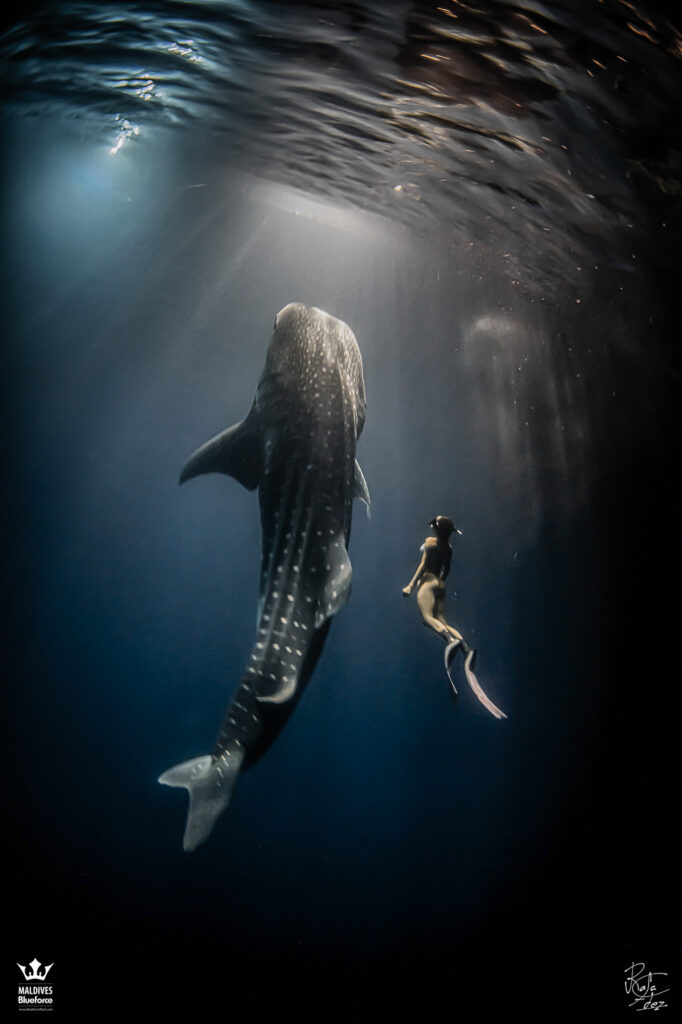
On board my favorite liveaboard, the Maldives Blue Force 3, and in the company of Carolina Schrappe—Brazilian freediver, friend, and adventure partner—I set out in search of a less obvious Maldives. Her precise, fluid movements underwater brought a quiet harmony to the images, almost choreographed, perfectly aligned with the pristine character of these reefs.
The Northern Maldives does not seek attention. It doesn’t dominate hashtags or feature prominently in glossy brochures. And perhaps that is its greatest appeal. This is a destination for divers who already know the Maldives and are searching for something more—something different. The reef’s diversity unfolds with every dive.
FROM NORTH MALÉ TO KAASHIDHOO
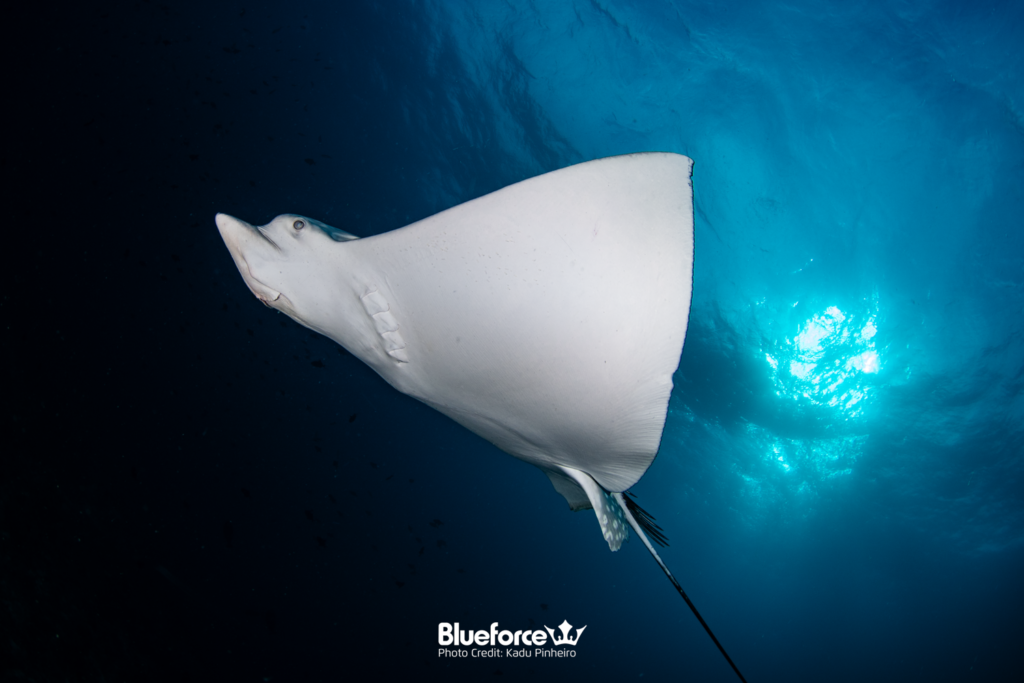
The beginning of exploration The journey unfolds across the atolls of North Malé, Kaashidhoo, Baa, Raa, Lhaviyani, and Noonu. It begins in the northern reaches of Malé Atoll, a perfect transition for acclimating to diving in the archipelago. At Helengeli Thila, cleaning stations attract grey reef sharks and eagle rays, while Finger Point delivers constant action. This is only the beginning.
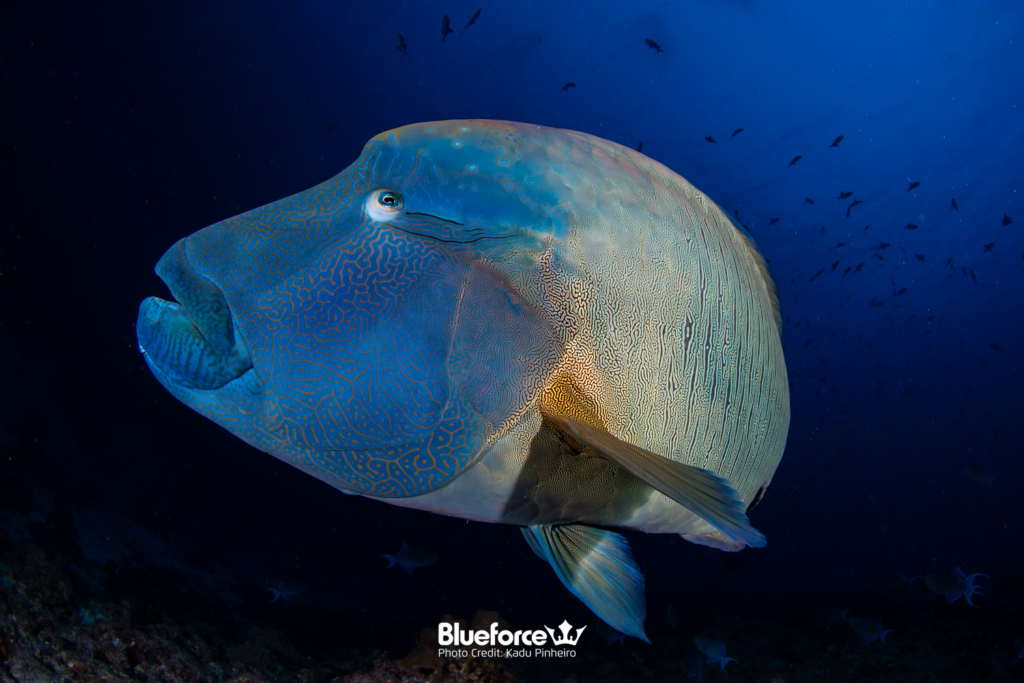
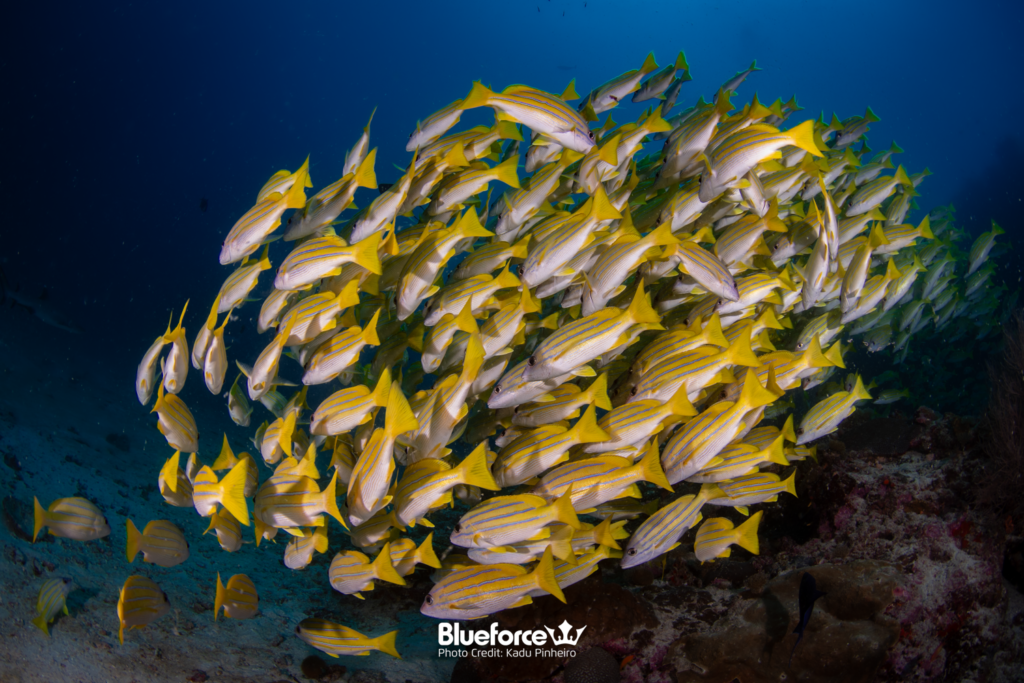
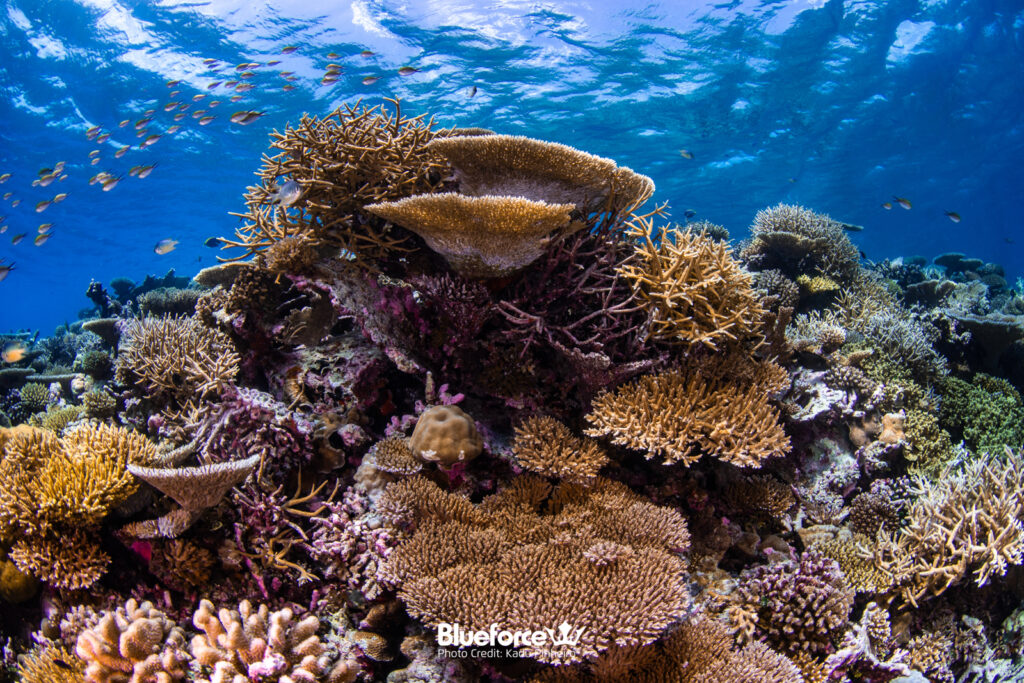
As we sail toward Kaashidhoo, the underwater landscape shifts and the sense of isolation intensifies. Kaashidhoo is a remarkable anomaly rarely visited and exposed to clean, powerful currents. Drift dives here offer seemingly limitless visibility. Coral terraces shelter massive groupers and Napoleon wrasse; schools of fish move like dense clouds, and sightings of green turtles and dolphins are common. Here, nature presents itself without filters. Pristine coral terraces reveal a vibrant ecosystem, shaped by clean currents and exceptional visibility.
AN UNEXPECTED NIGHT
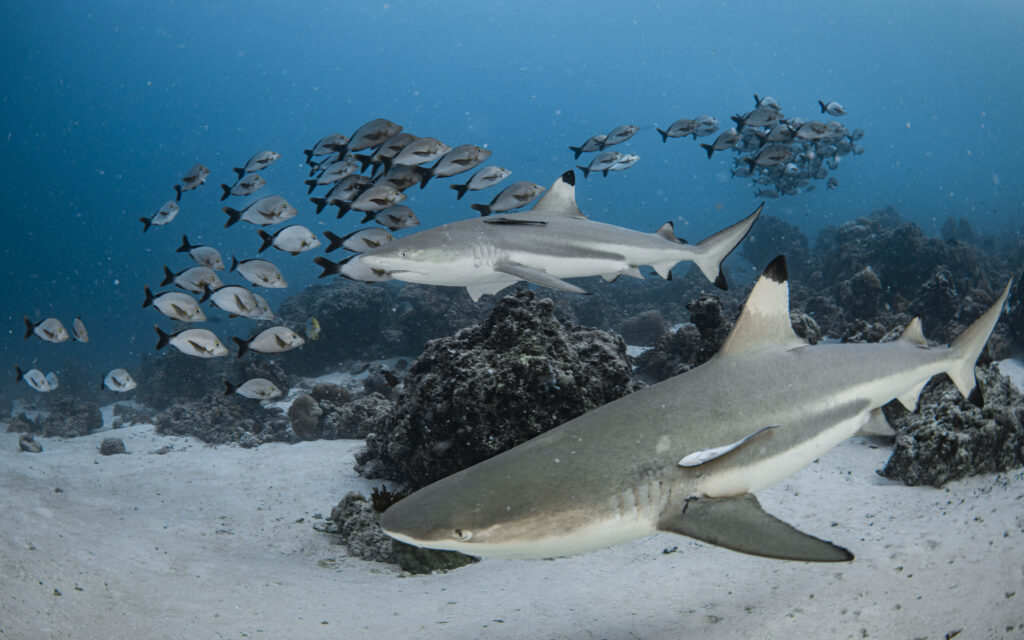
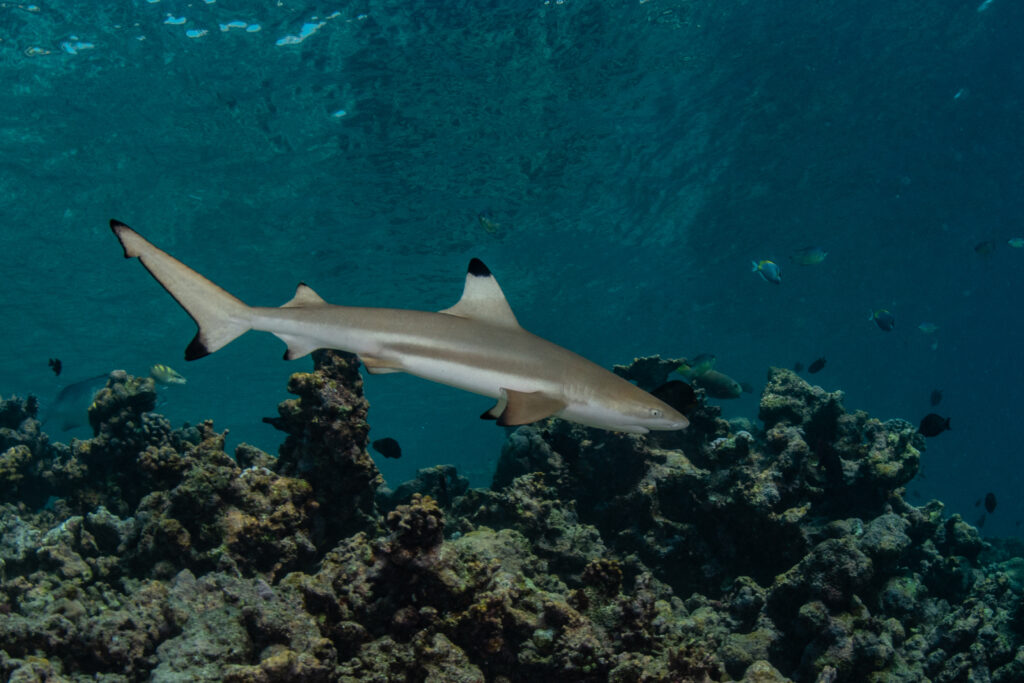
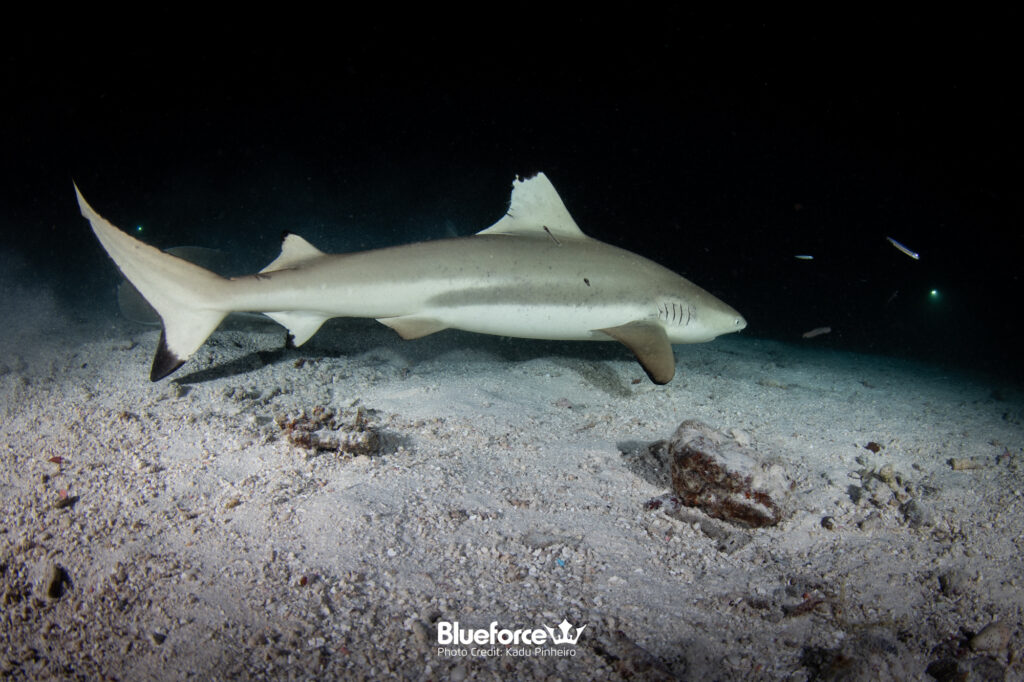
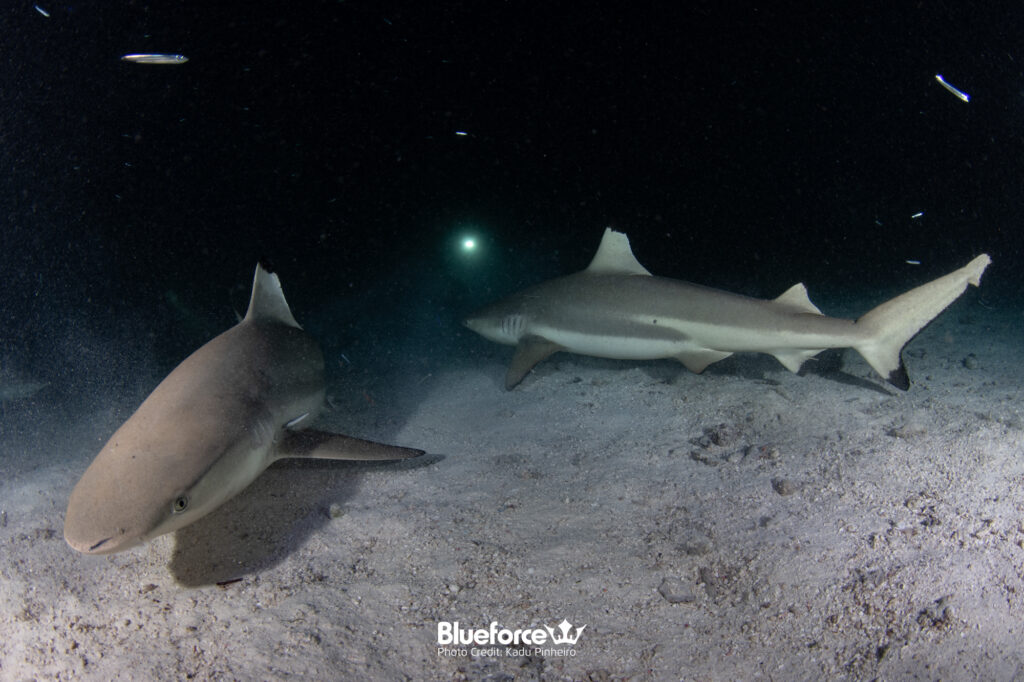
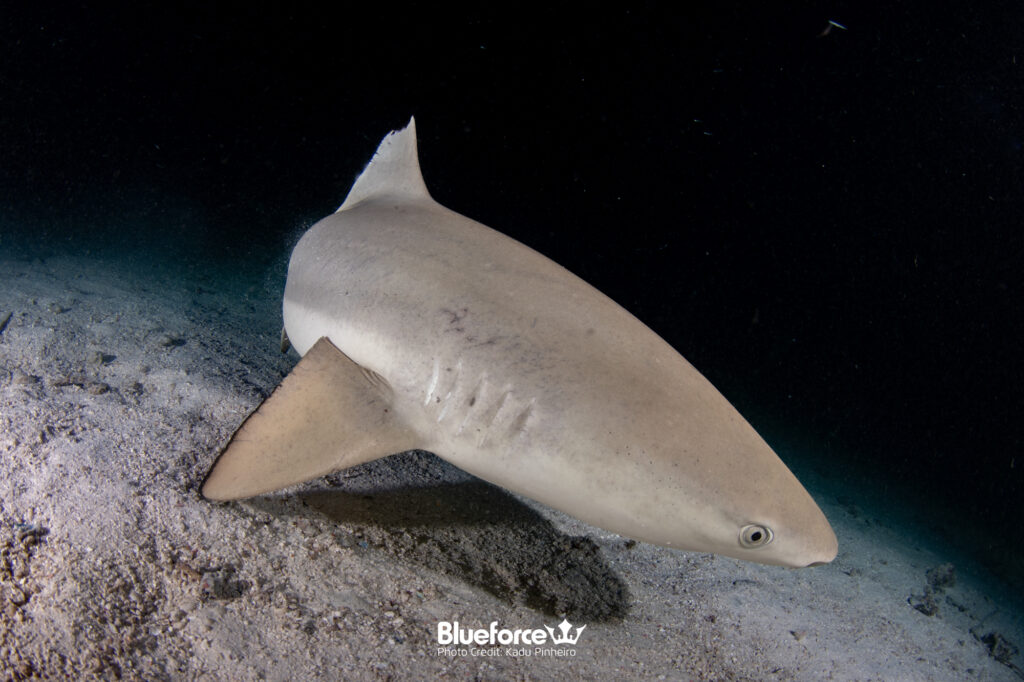
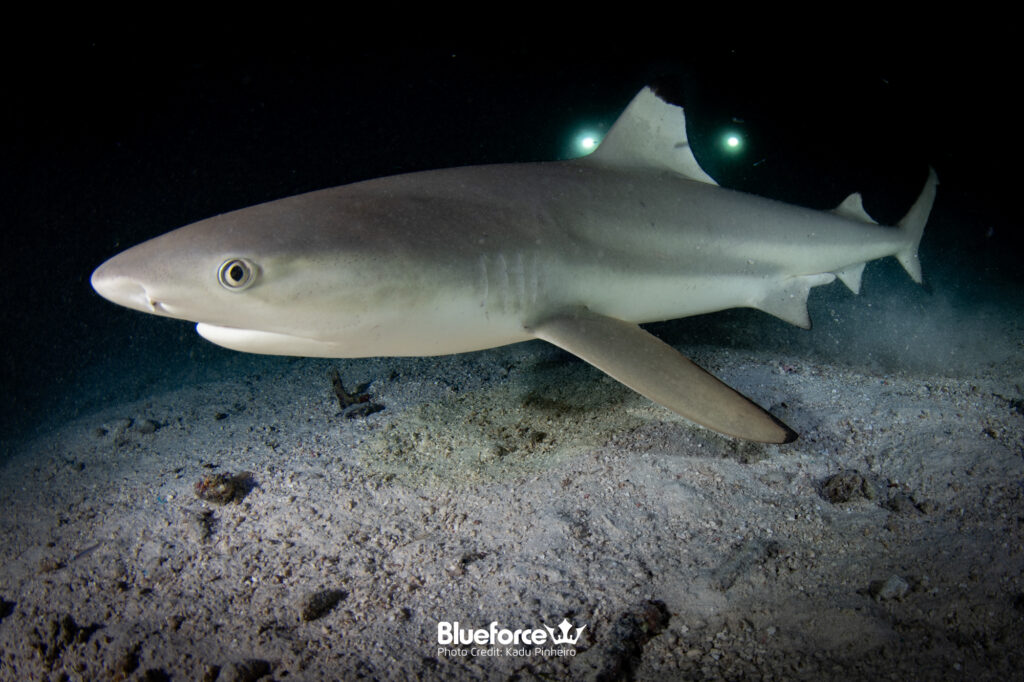
Blacktip reef sharks take center stage One of the most surprising moments of the expedition came during an apparently calm night dive. We were searching for nurse sharks near a jetty when the ocean decided to change the narrative. Dozens of blacktip reef sharks appeared, weaving effortlessly through the group. They moved among us with hypnotic confidence. Feeling the displacement of water with every pass and being able to photograph them from such close range was one of those unplanned gifts that only the ocean can offer.
BAA AND HANIFARU
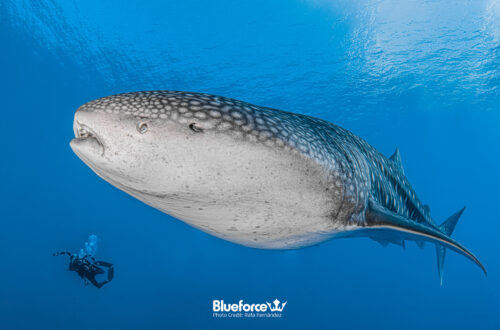
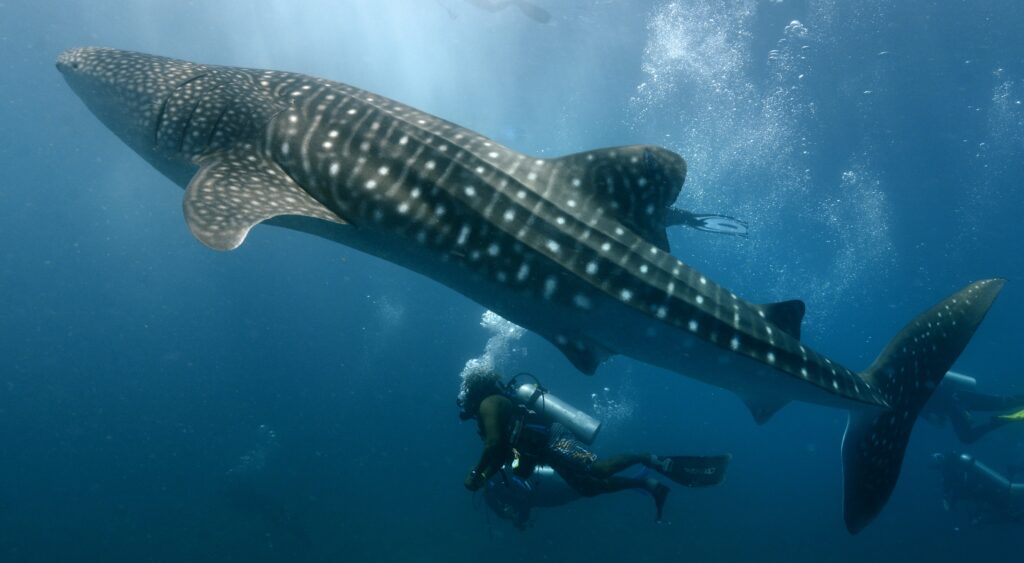
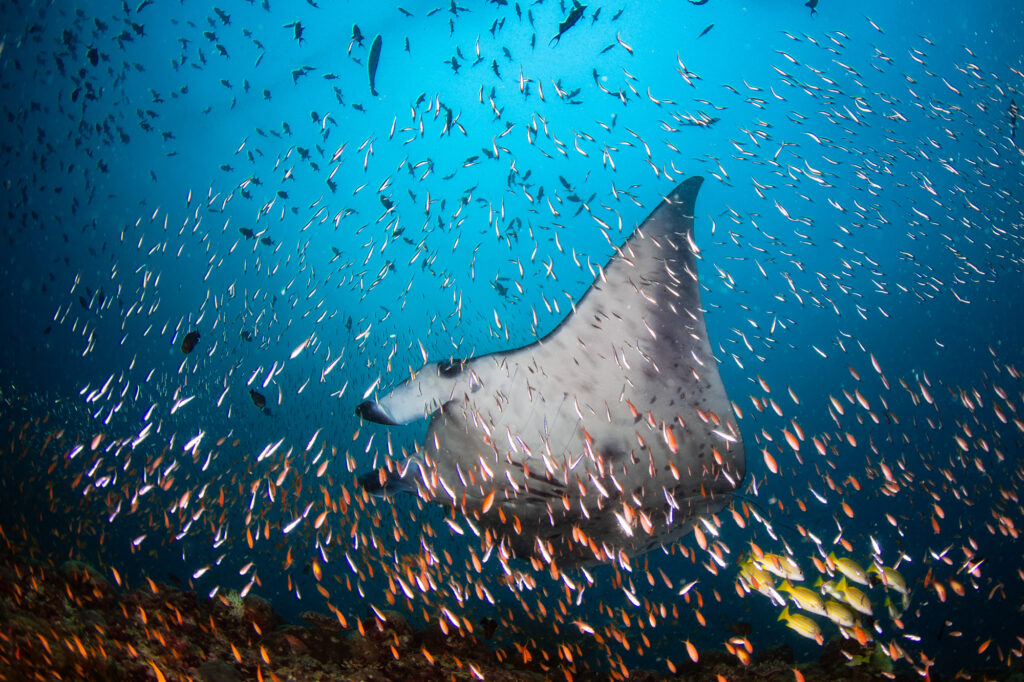
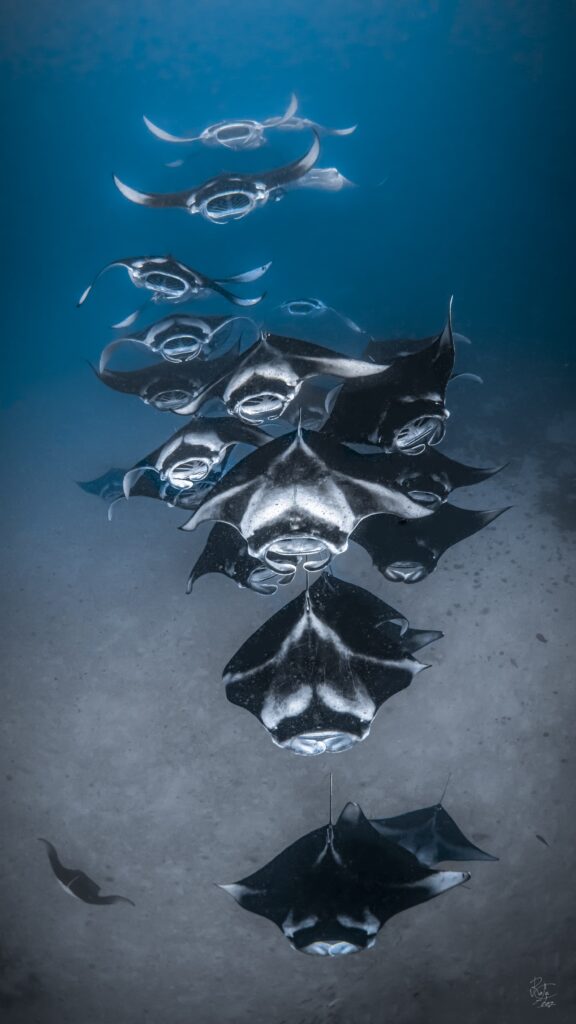
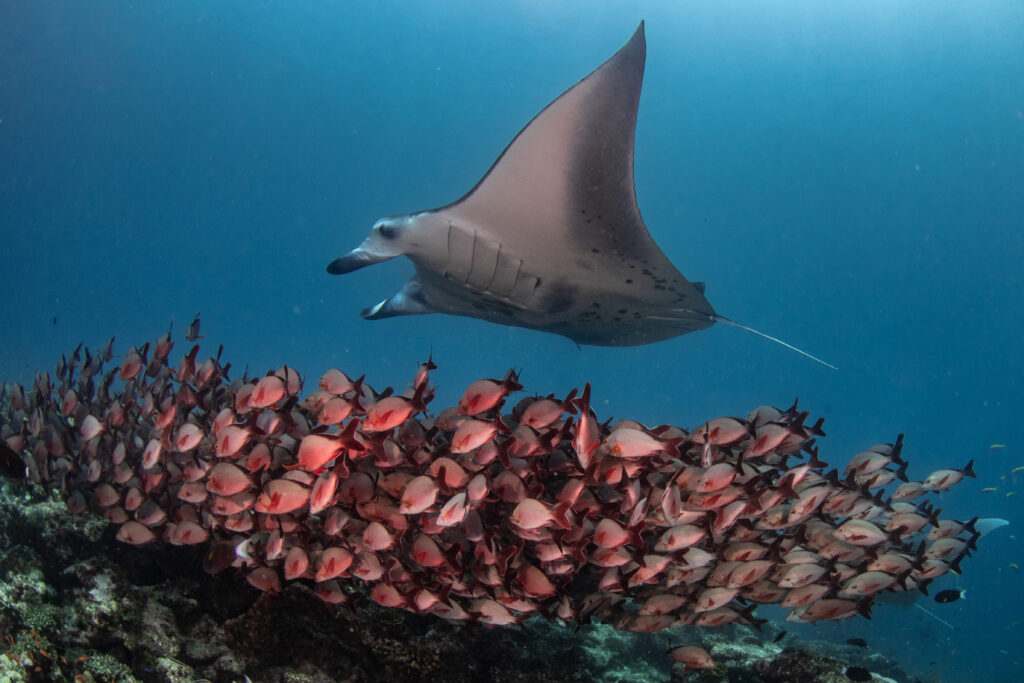
the heart that beats twice If there is one place that defines this route and elevates expectations, it is Baa Atoll and its most famous jewel: Hanifaru Bay. Declared a UNESCO Biosphere Reserve, it is considered the best place in the world to observe reef manta rays. On the Northern Route, having the opportunity to visit Hanifaru twice significantly increases the chances of witnessing one of the ocean’s most extraordinary spectacles. Watching dozens of mantas feeding on plankton—sometimes accompanied by a whale shark—is an experience that alone justifies the journey.
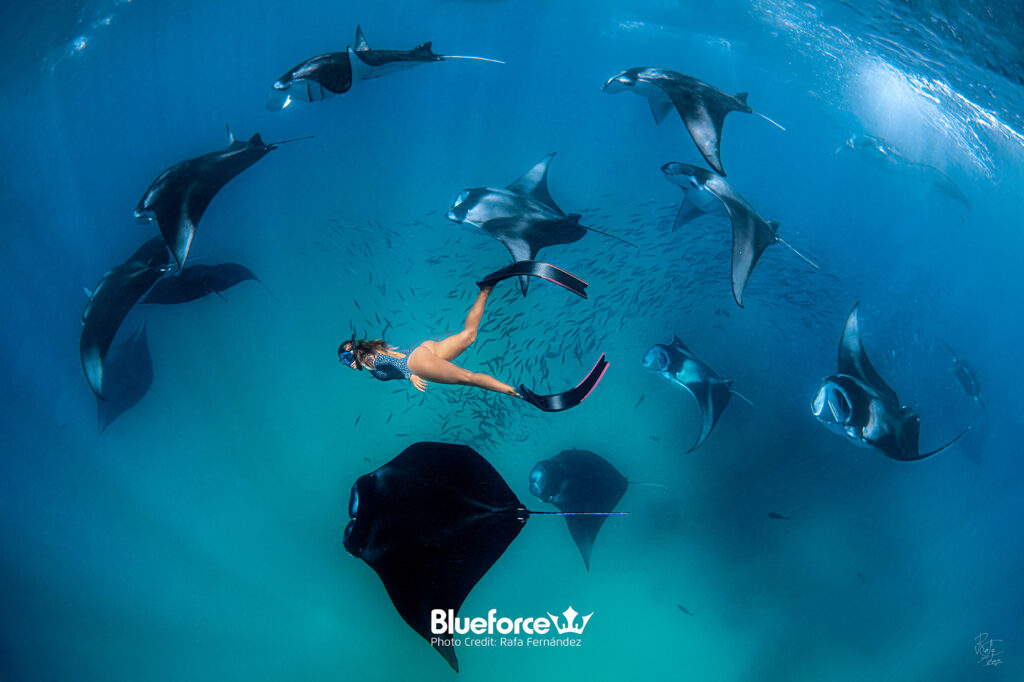
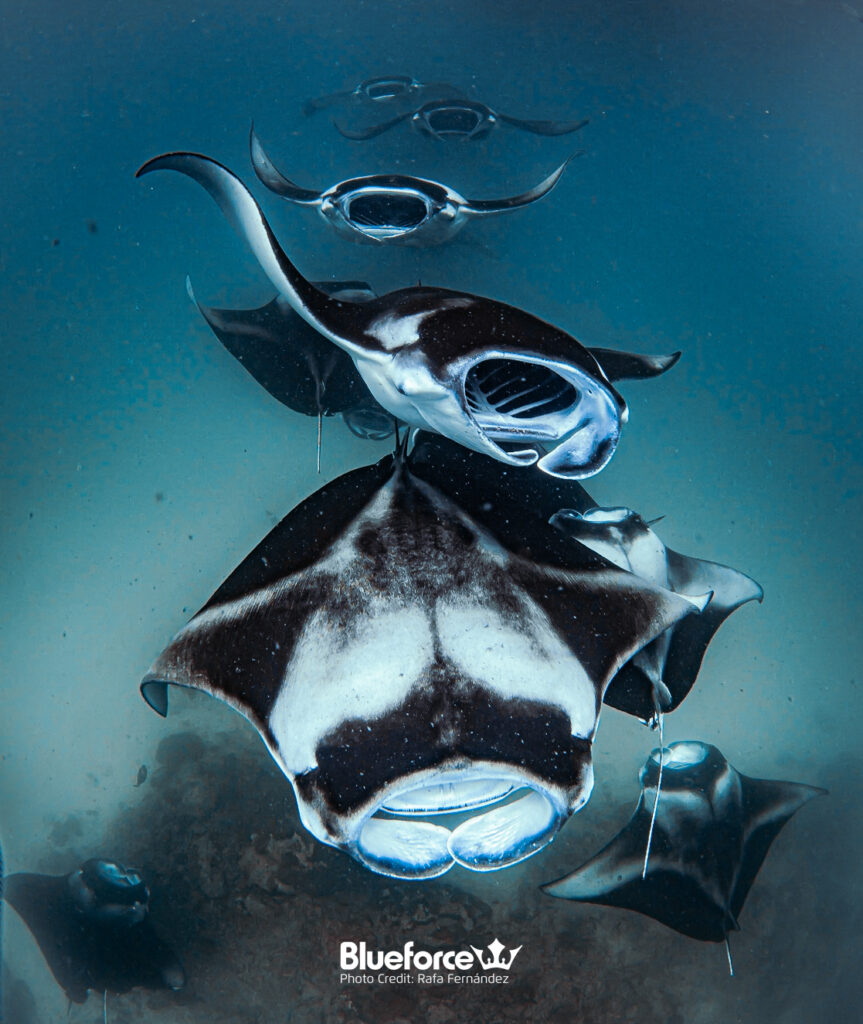
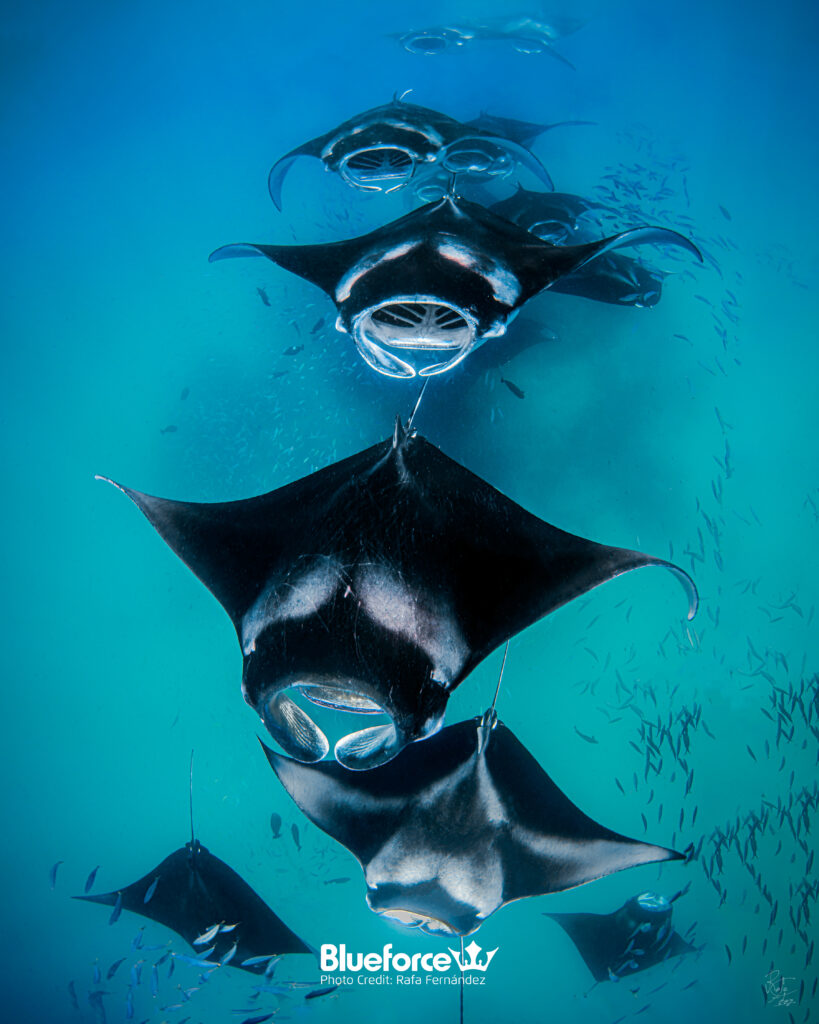
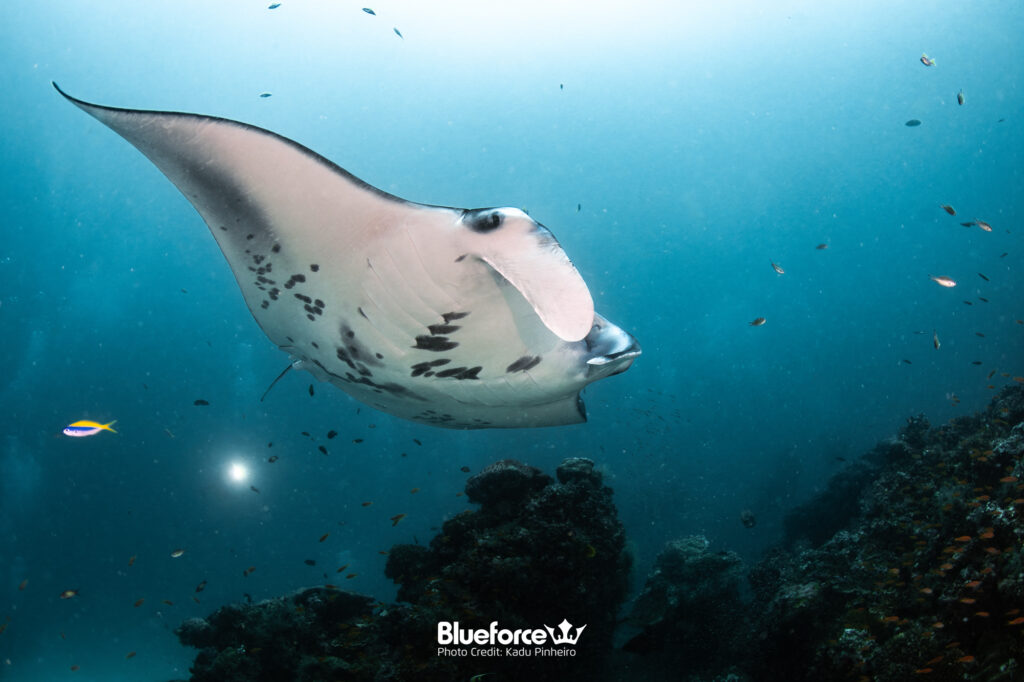
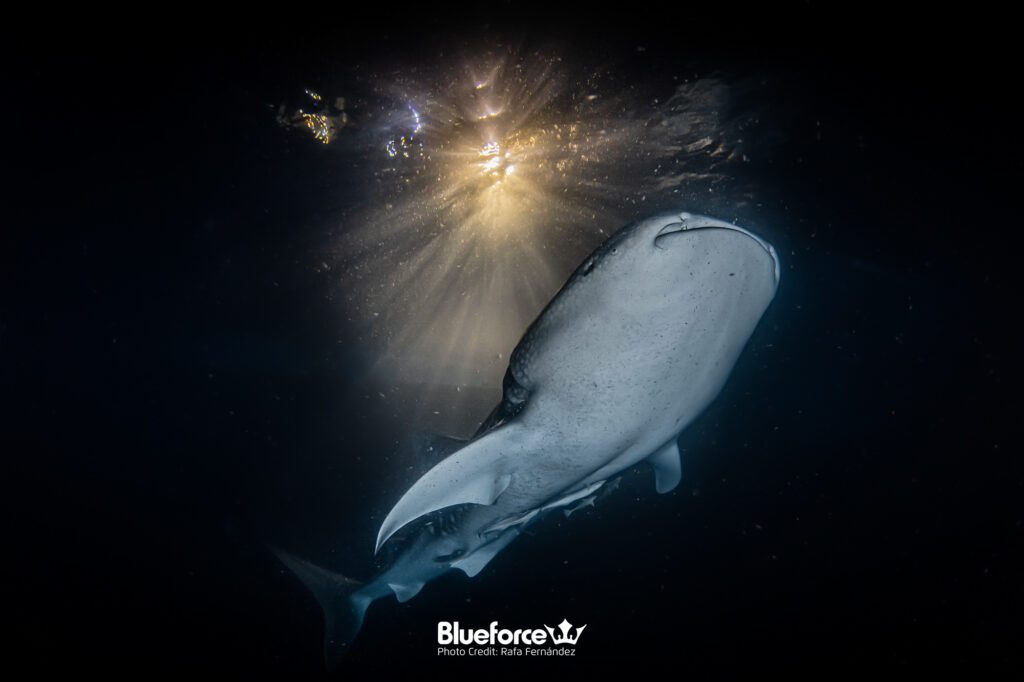
The magic doesn’t end there. Nearby cleaning stations, such as Kottefaru Corner, offer exceptionally close encounters. Mantas hover effortlessly above the camera, seemingly indifferent to the photographer, creating moments of absolute calm. Even at night, the ocean remains alive: whale sharks are often drawn to the stern of the boat, attracted by the lights.
RAA AND LHAVIYANI
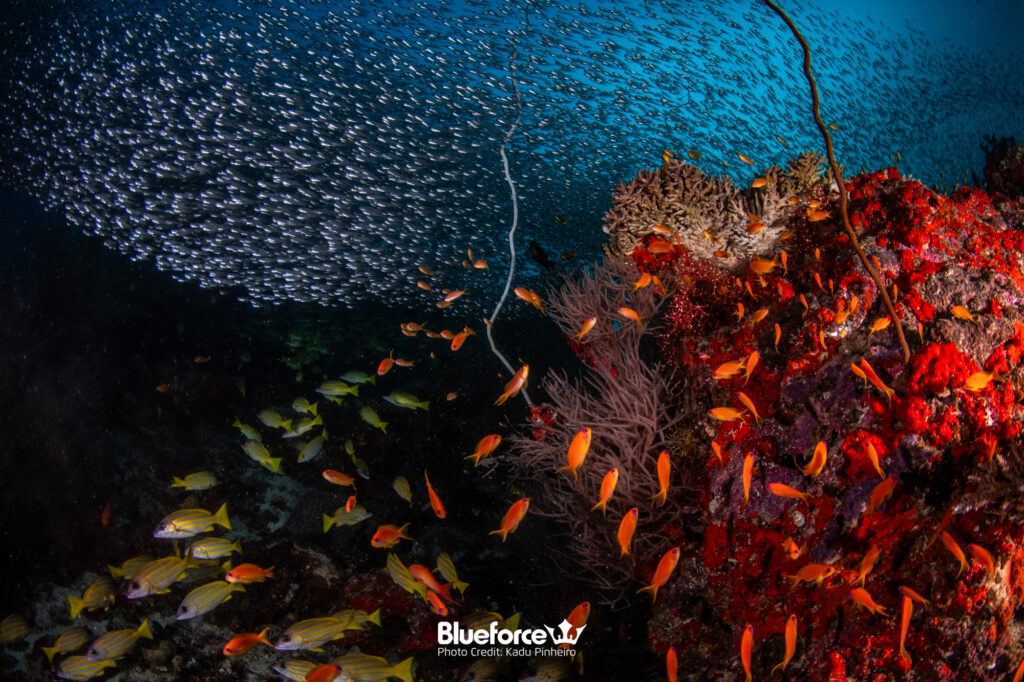
Biomass, action, and contrast As we move into Raa Atoll, the density of marine life reaches another level. Thilas such as Vaadhoo, Beriyan, Labyrinth, and Anemone Thila are enveloped in true storms of glassfish. Fusiliers, jacks, snappers, and batfish form living walls so dense that, at times, the blue water disappears entirely. For underwater photography, it is an exceptional setting—layers upon layers of life where any sense of human scale fades away. Raa Atoll offers an exceptional abundance of life, with thilas covered by schools of fish so dense that the blue seems to vanish, creating unique settings for photography.
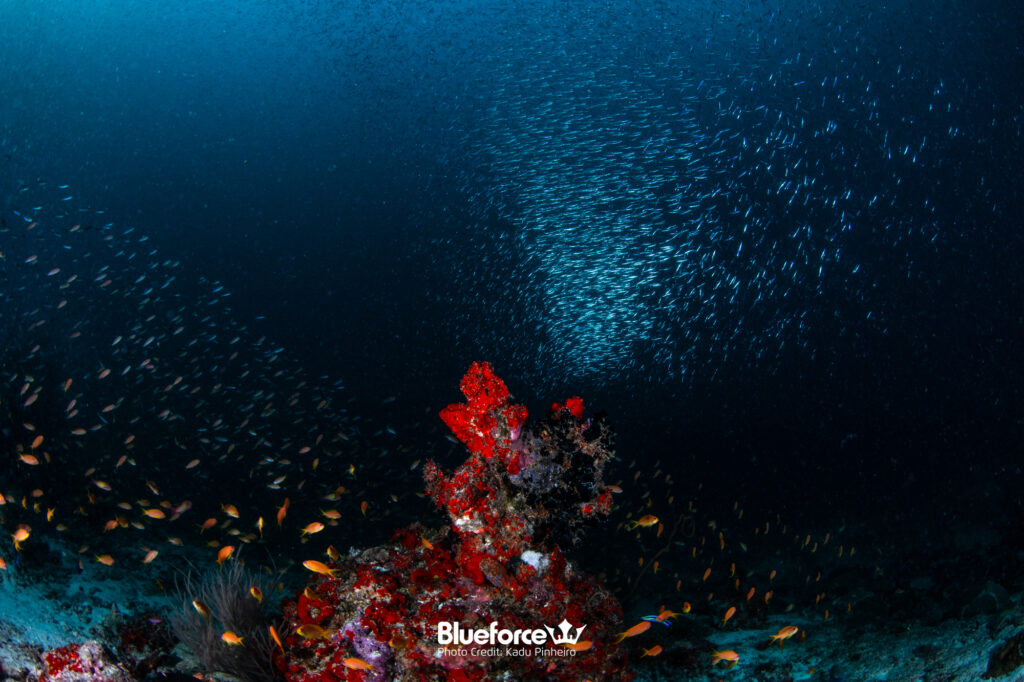
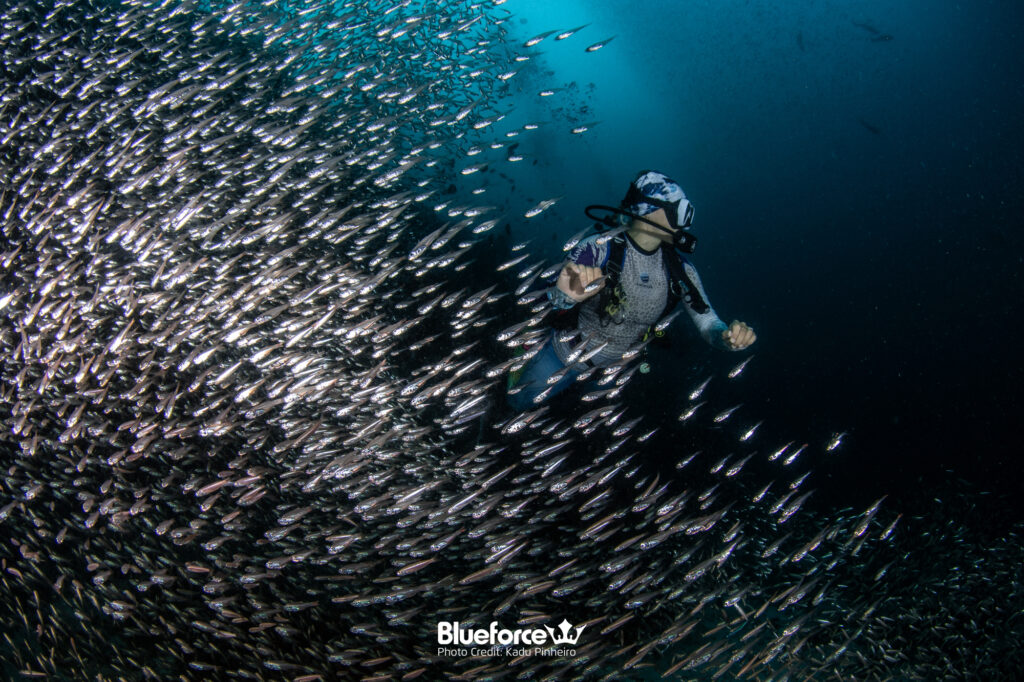
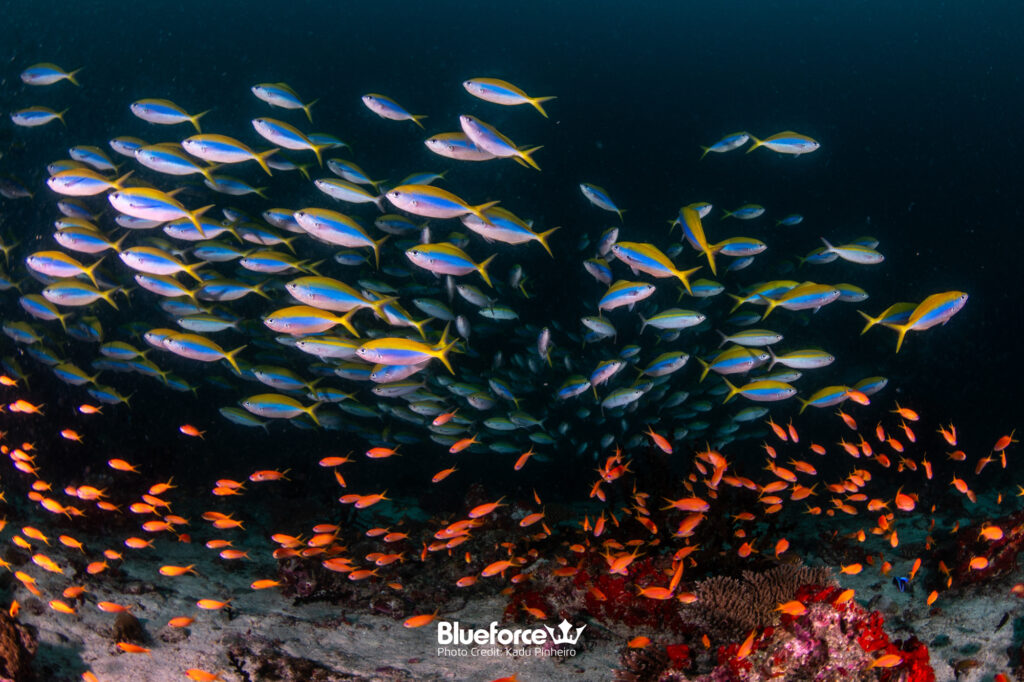
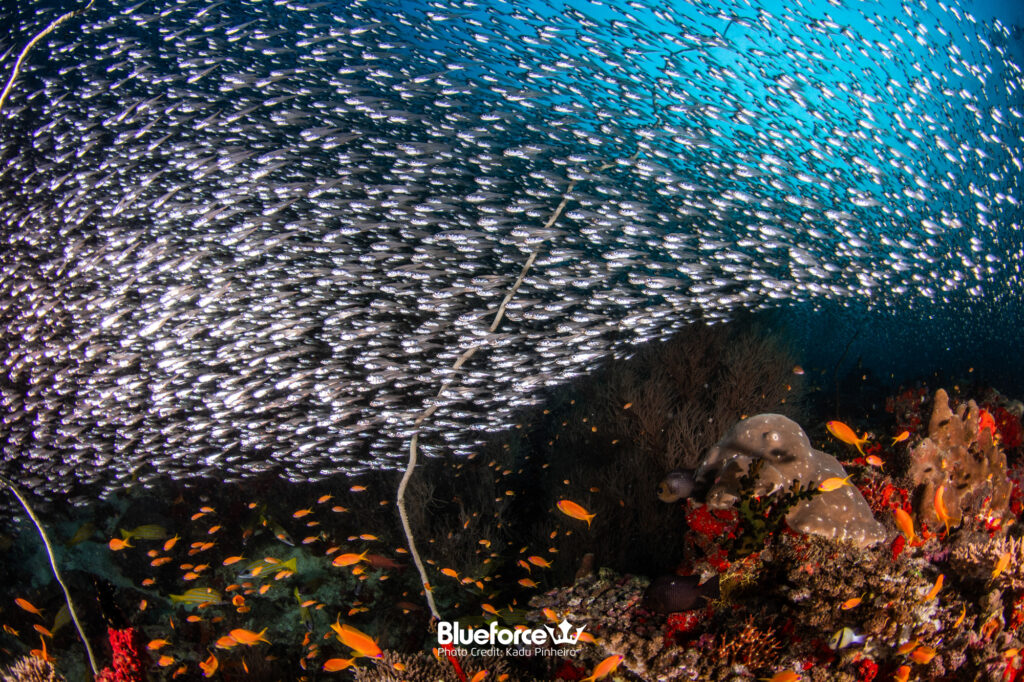
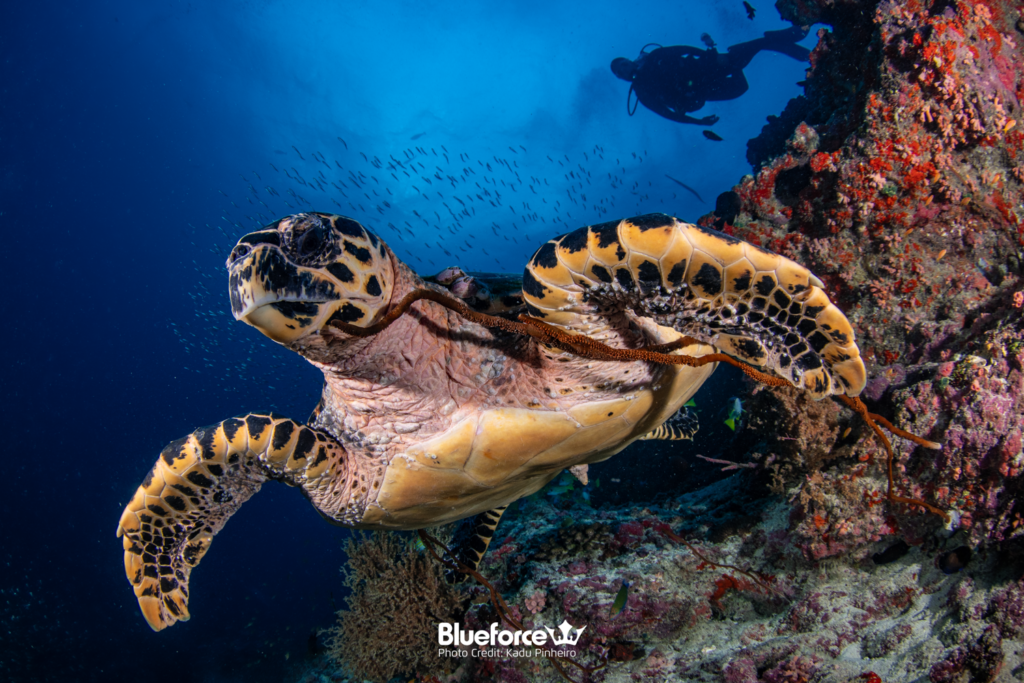
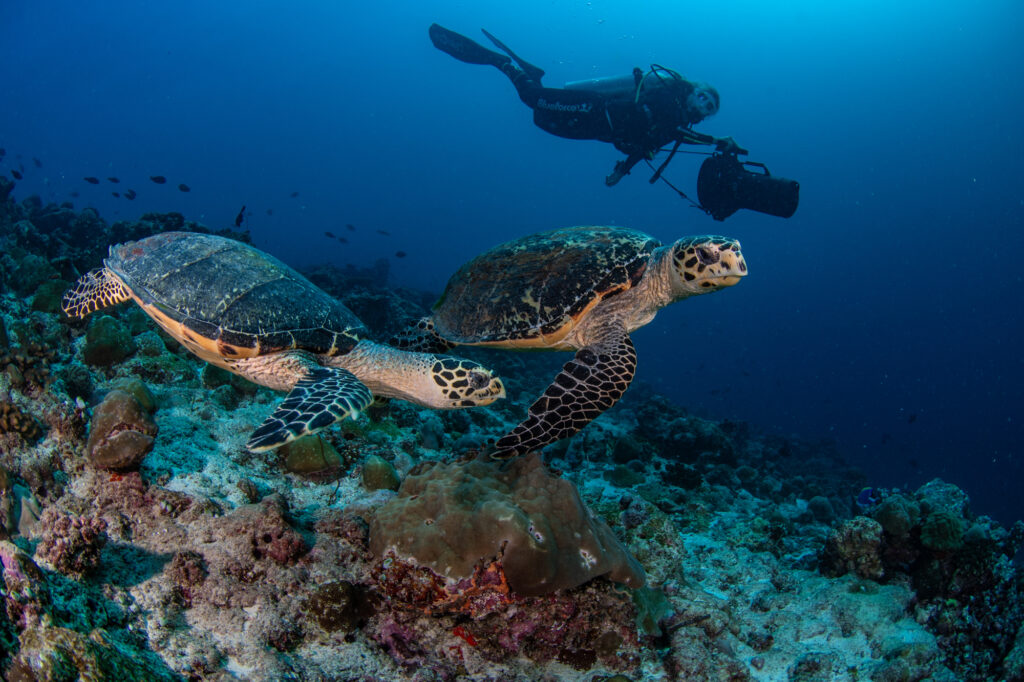
Lhaviyani adds both variety and character to the route. Channels like Kuredu Express and Madivaru concentrate constant action driven by strong currents, with grey reef sharks, silvertips, and eagle rays patrolling the blue. In contrast, Kuredu Caves offers a slower pace, with overhangs where green turtles rest, seemingly untouched by time —oblivious to the fast pace of the currents.
NOONU
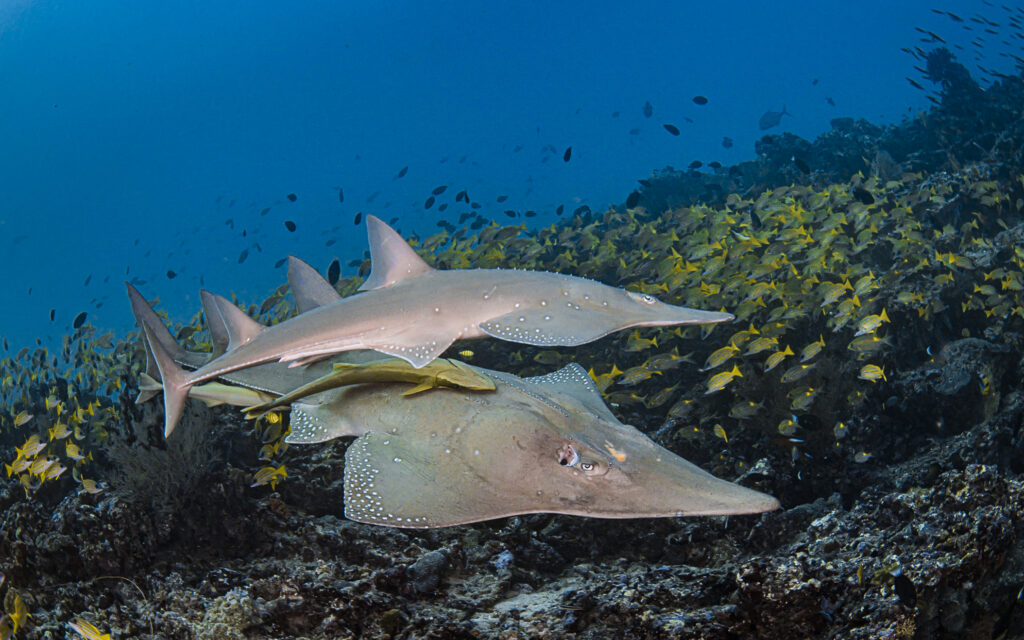
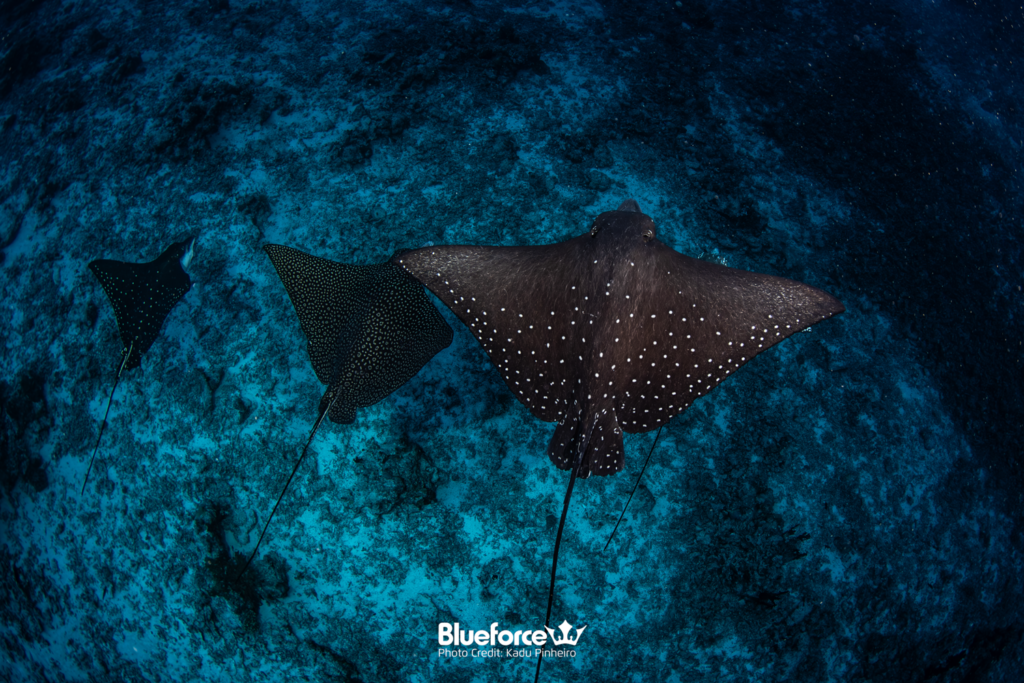
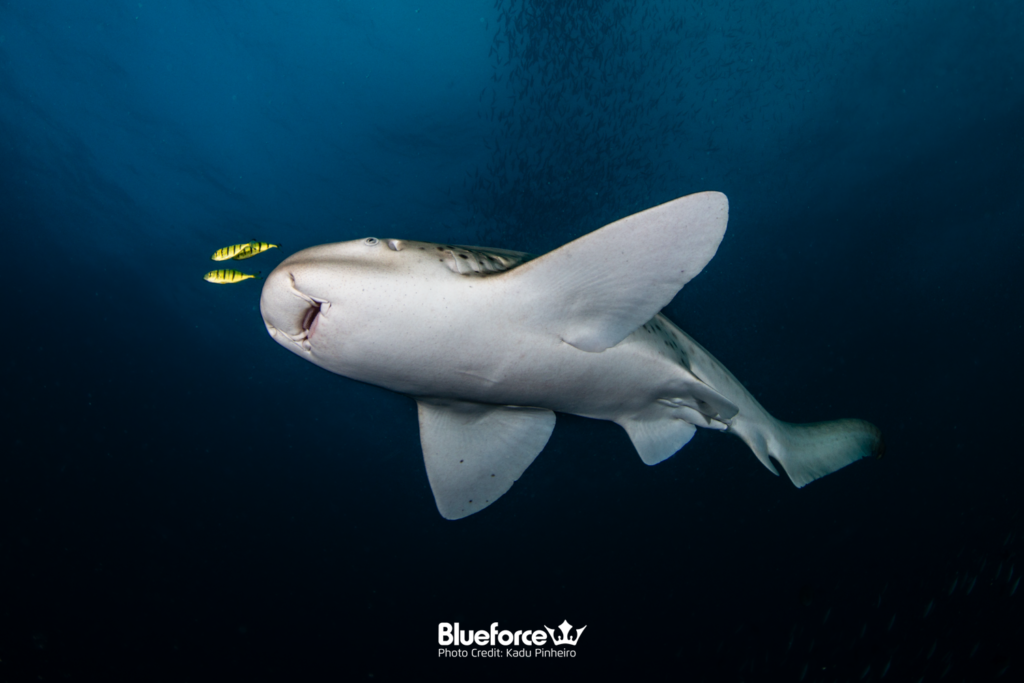
Where the journey becomes a privilege The cruise continues north to Noonu, one of the least explored atolls in the Maldives. Here, the feeling of remoteness is unmistakable. Thilas covered in soft corals, sponges, and black coral host less common species: guitar sharks, leopard sharks, and large eagle rays gliding silently over deep slopes.
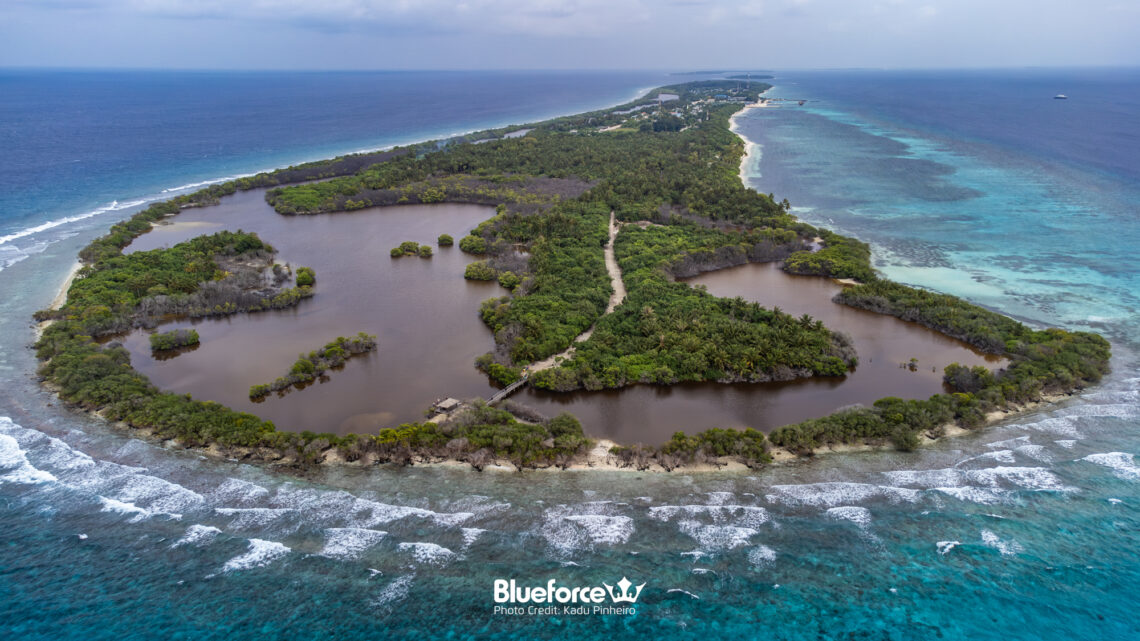
But Noonu is more than just diving. We also had the opportunity to visit Kendhikulhudhoo, an island nearly five kilometers long, with two inland lagoons and extensive mangrove forests. It is a place where time seems to slow down, allowing a glimpse into daily life within a local community far removed from tourism—an increasingly rare privilege in the Maldives.
CONCLUSION
A new story to be told The Northern Maldives is not a destination to be checked off a list. It is an invitation to rediscover a classic from a different perspective. Where boats are few and sensations are many, the Maldives tells a different story—and it deserves to be heard.
My sincere thanks go to the outstanding crew of the Maldives Blue Force 3, who once again made it possible for me to deeply enjoy a destination I have dived many times before, yet one that on this occasion revealed a Maldives that felt new, exceptional, and genuinely surprising.
This kind of journey is only possible through an intimate knowledge of the destination. With 30 years of experience exploring the Maldives, Blue Force has designed these Northern routes as a natural evolution for returning divers. One-week itineraries, as well as extended 10 and 11-night programs, allow for unhurried exploration—adapting each day to sea conditions and wildlife presence.


You May Also Like
Behind the Blue Force Experience: the team who make everything flow smoothly
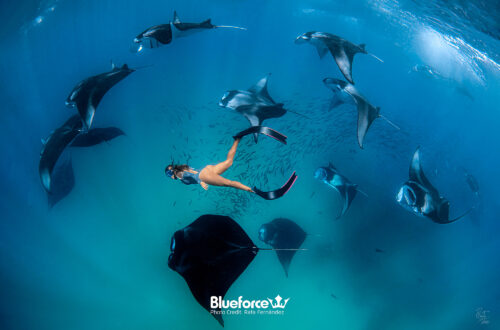
Hanifaru Bay (Baa Atoll, Maldives)