Learning to “Read” the Water: What Completely Changes Your Dive
There’s a moment in the evolution of practically every diver when something shifts.
In the beginning, most of the attention is turned inward. You’re focused on depth, gas consumption, buoyancy, equipment, and procedures. And that’s completely normal. After all, there’s so much to learn.
But as experience grows, the focus starts to shift.
The diver stops looking only at themselves and starts paying attention to the surrounding environment.
And few places in the world teach that transition as well as the Maldives.
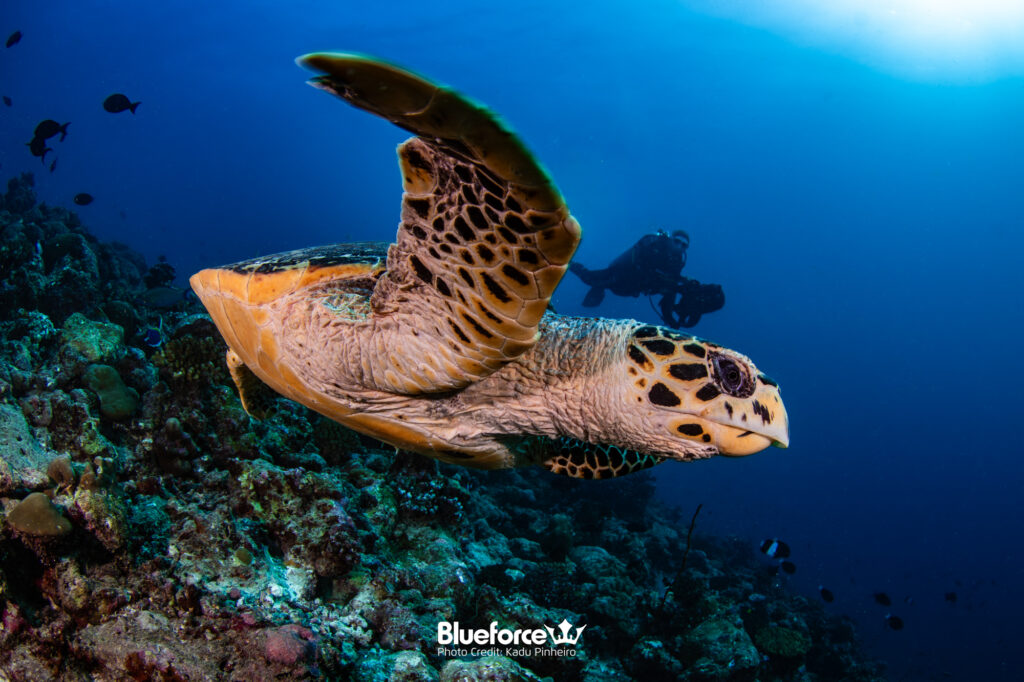
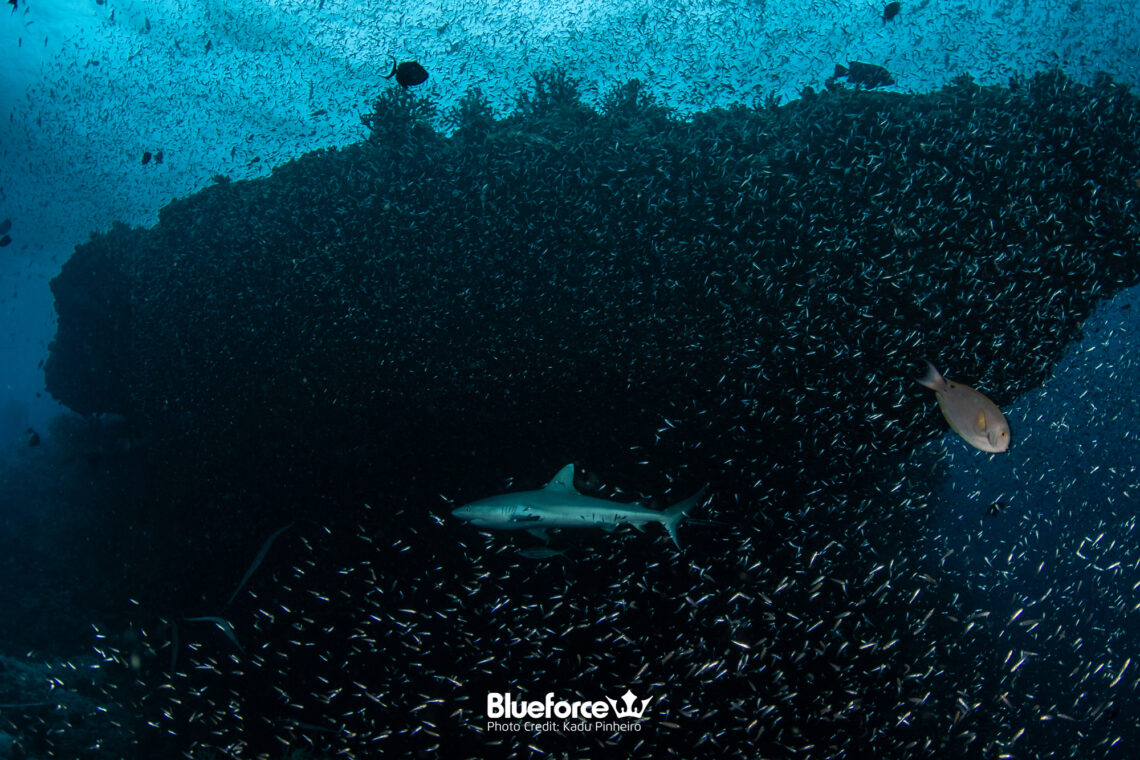
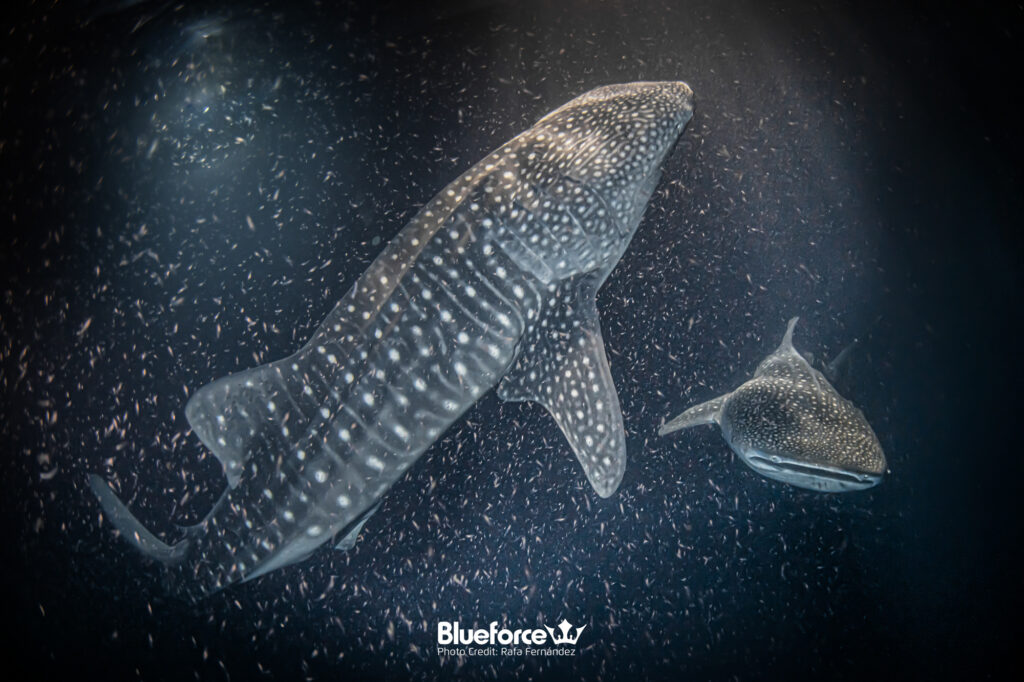
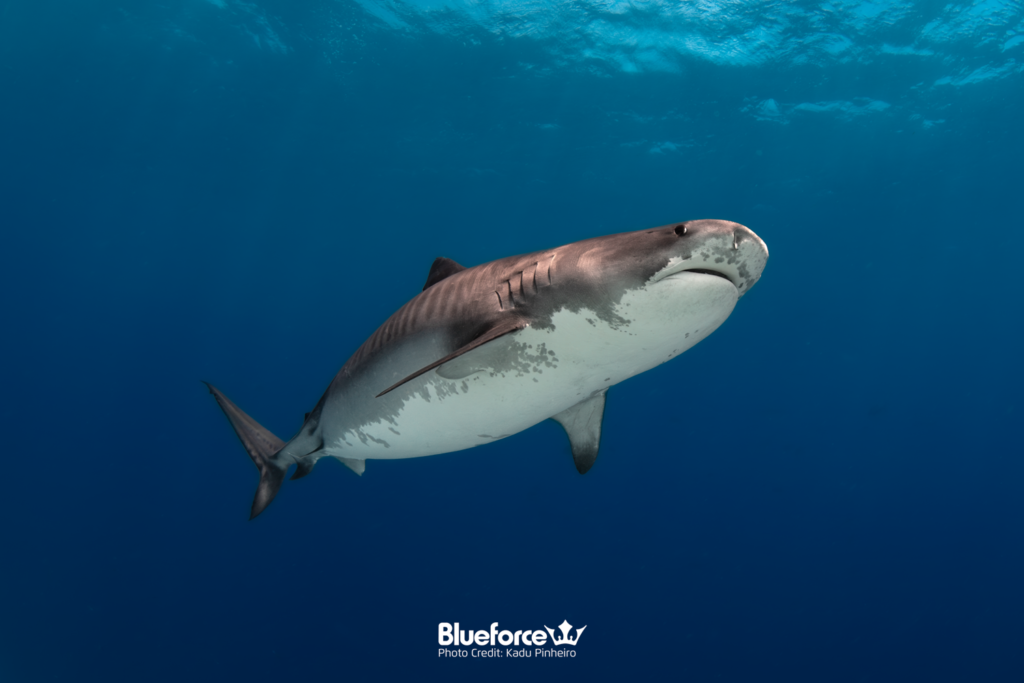
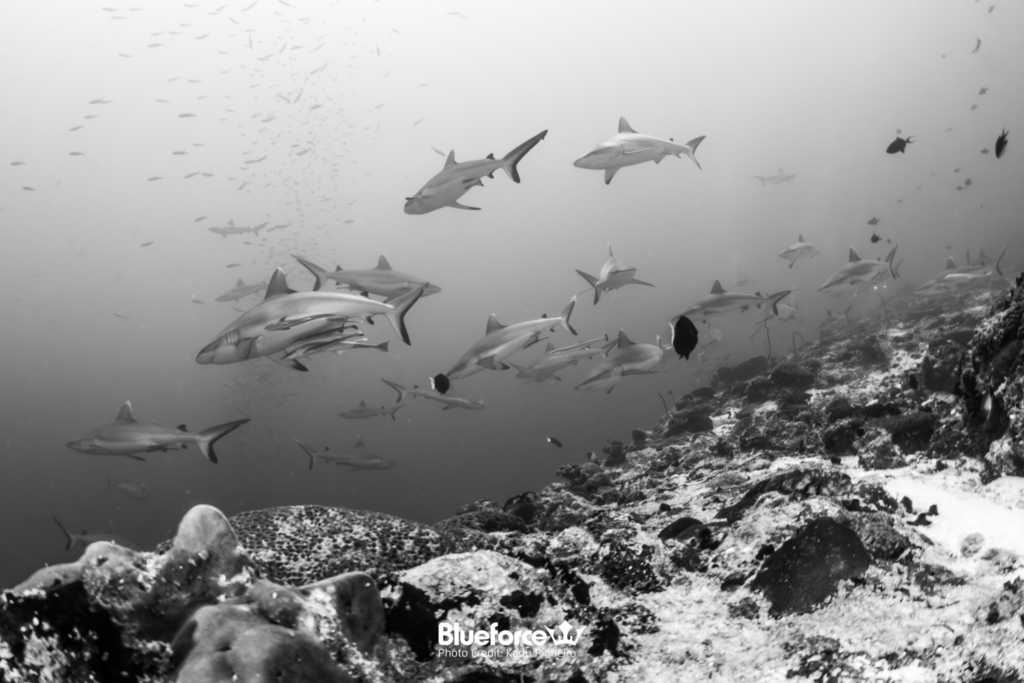
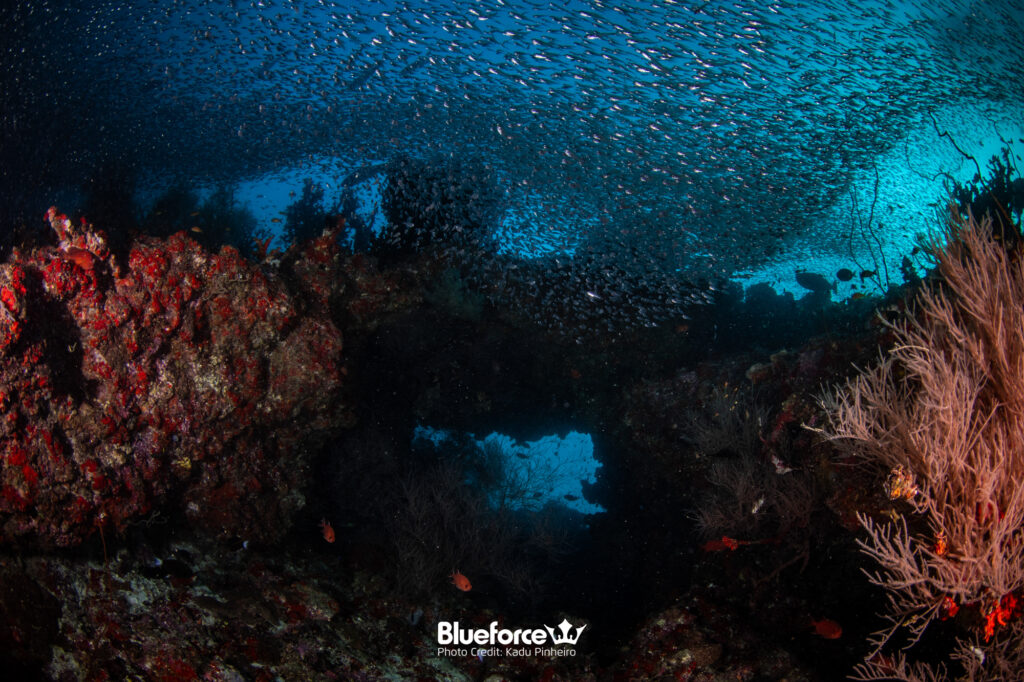
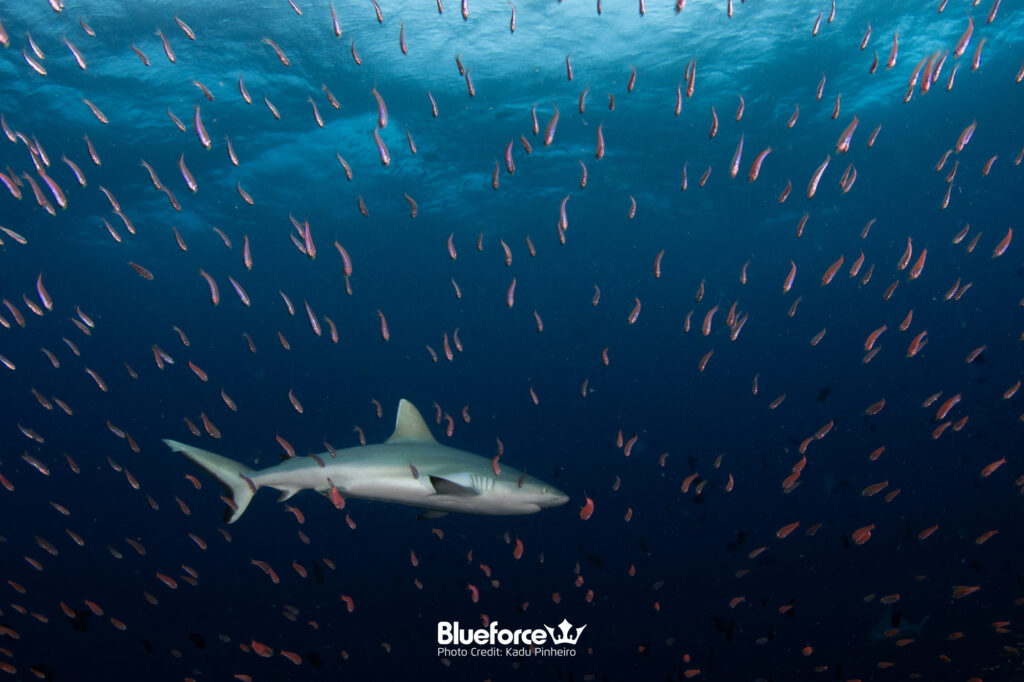
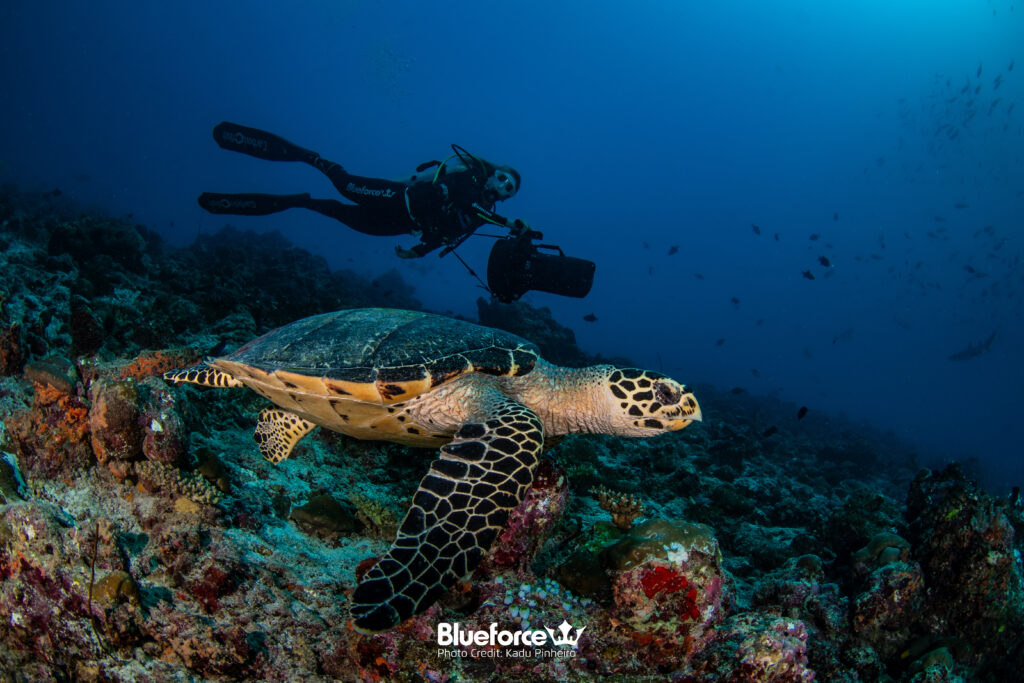
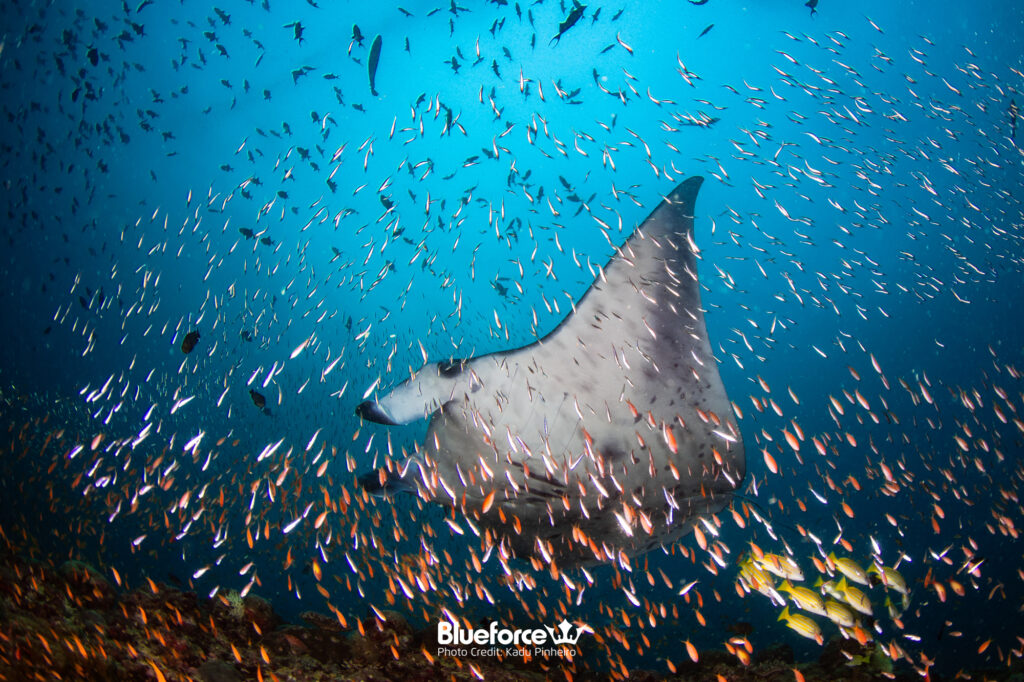
At first glance, many people associate the Maldives with manta encounters, sharks, giant schools of fish, and famous channels. All of that is part of the experience. But there’s a much more interesting layer that often goes unnoticed by those visiting the archipelago for the first time.
The Maldives are a permanent lesson in how to read the ocean.
Unlike destinations where conditions stay relatively stable, here everything is in motion. Tides shift constantly, currents gain or lose intensity throughout the day, visibility varies, and marine life responds to every one of these changes.
That’s why diving well in the Maldives doesn’t mean fighting the water.
It means learning to work with it.
The most experienced guides sometimes seem to anticipate events with impressive precision. But that has nothing to do with luck or special talent. It’s simply the result of observation.
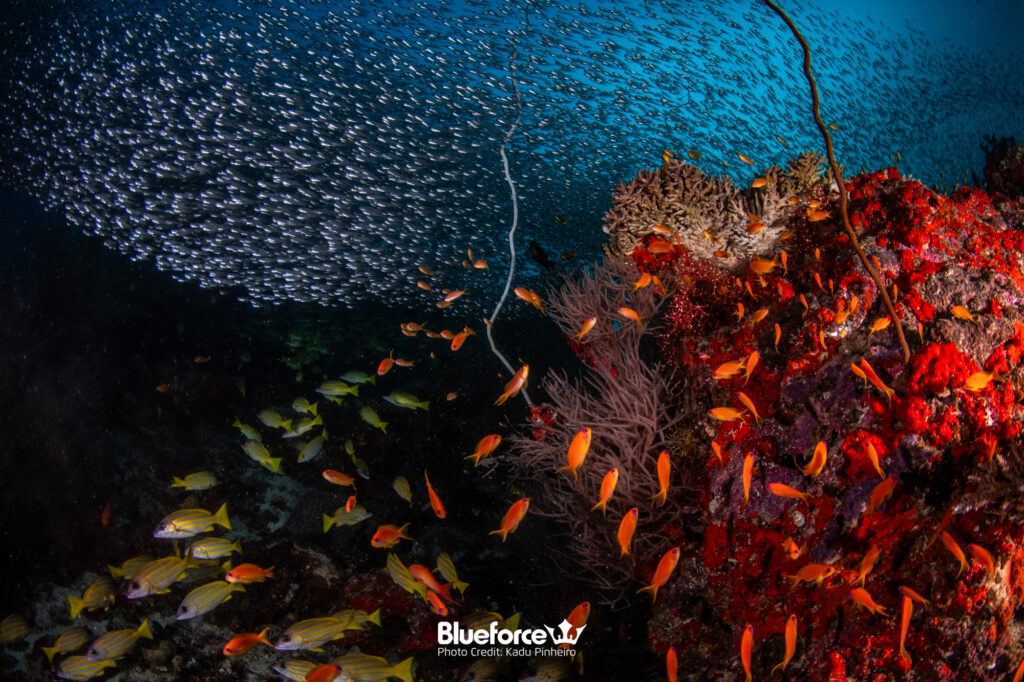
The direction fish move within a channel, the way a school positions itself in the current, the speed of water passing over a reef edge, or even small changes in marine life behavior — these often reveal a lot about what’s happening around you.
Everything communicates something.
And once you start noticing these signals, the way you dive changes completely.
The current stops being an obstacle and becomes an ally. Positioning becomes more efficient. Effort decreases. Gas consumption improves. And encounters with marine life happen much more naturally because you start being in the right place at the right time.
That’s exactly why so many divers return to the Maldives year after year.
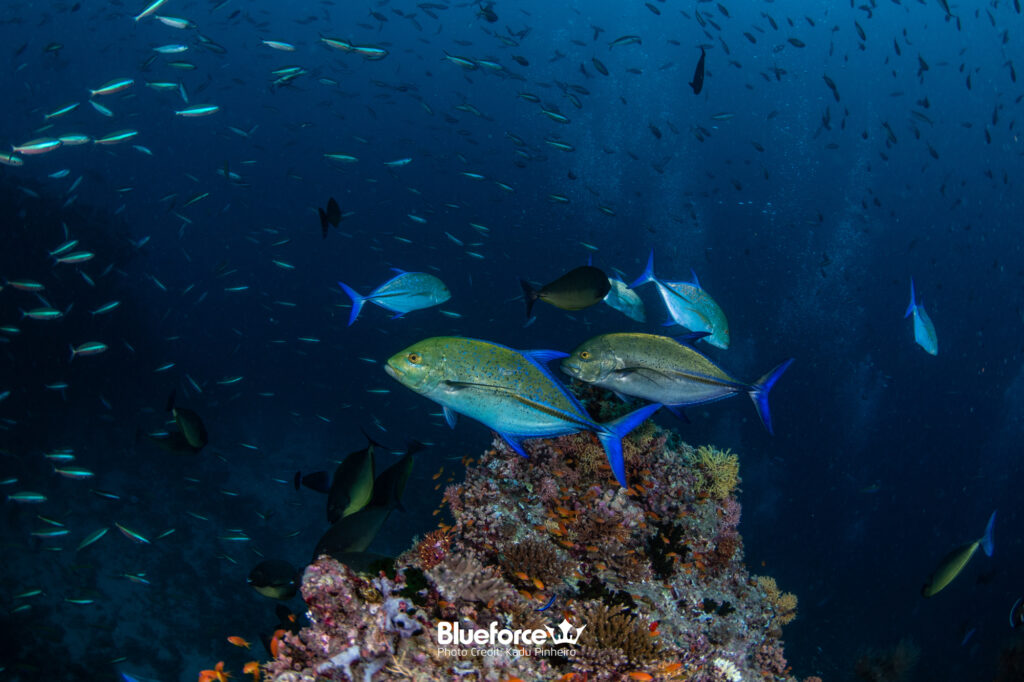
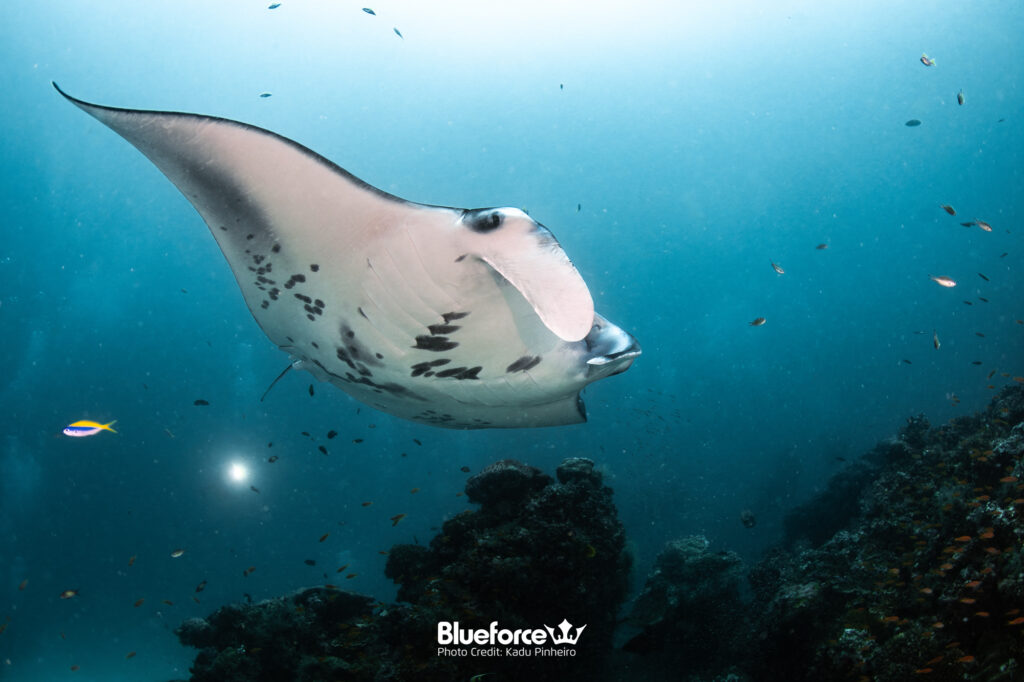
Not just for the sharks, mantas, or famous channels, but because each trip adds a new layer of understanding about the ocean.
➡️ Check out the Blue Force Fleet itineraries and discover which expedition best fits your next Maldives adventure.
Perhaps that’s one of the greatest lessons the Maldives can offer.
It’s not just about observing the ocean.
It’s about learning to understand it.
That’s why so many experienced divers consider the archipelago a true school of situational awareness. Not because the dives are necessarily difficult, but because they reward those who learn to observe, anticipate, and interpret.
During a week aboard the Blue Force Fleet, this evolution is usually easy to notice. In the first few days, many divers are focused on keeping up with the group and following the dive plan. As the trip progresses, they start to better understand the dynamics of the channels, anticipate current movements, and notice details that once went unnoticed.
And that’s perhaps the best memory anyone can bring home.
Because encounters with sharks, mantas, and large schools stay in the memory. But the ability to read the water stays with the diver for the rest of their life.
And it works anywhere in the world.
Perhaps that’s why this is one of the most valuable skills diving can teach.


One Comment
Lucio Morán
Bucear no es solo mirar; es entender y a la vez aprender