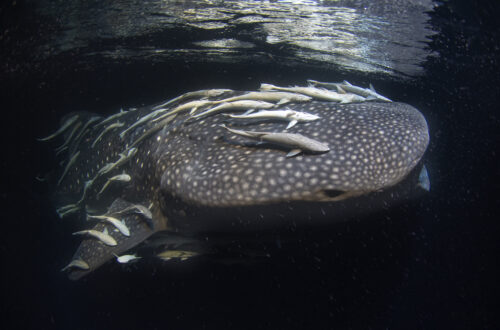
Are You Ready to Dive the Maldives?
An Honest Guide to Experience, Expectations and Preparation
In more than twenty years of diving and photographing underwater, few destinations have brought me back as many times as the Maldives. Sharks cruising the channels, mantas gliding over the cleaning stations, huge schools of fish swirling in the blue. All of it is real, and that is why the archipelago sits on almost every diver’s wish list.
But before you book the trip, it is worth asking yourself an honest question: are you prepared to dive the Maldives?
I am not talking about hundreds of dives or a pile of certifications. I am talking about understanding the environment you are going to find, recognizing your own skills, and knowing what to expect from an experience that may be very different from the one you know. With the right preparation, you get the most out of every moment, in the water and out of it.
The Number of Dives Doesn’t Tell the Whole Story
I have dived with people who had 50 dives and felt at home in the current, and with others who had 200 and still hadn’t found their balance. The number in the logbook says little. What matters is where and how you have dived.
Divers whose experience comes from calm, shallow, protected waters may find new challenges in the Maldives. Depending on the atoll, the site and the tide, the current can be moderate or strong, channel entries demand attention to positioning, and communication with the guide and the group becomes very important.
This doesn’t mean every dive will be difficult. The archipelago is diverse, and many dives are relaxed when conditions cooperate. The mistake is assuming that all sites will be the same, or that comfort in protected waters guarantees comfort in any situation.
Instead of counting dives, ask yourself:
How do I react when the current picks up?
Can I hold my buoyancy without excessive effort?
Do I feel comfortable controlling my position while I observe marine life?
Do I follow the guide’s instructions without losing track of what is happening around me?
These answers say more about your readiness than any number.
Currents: Work With the Ocean, Not Against It
Currents are part of what makes the Maldives so fascinating. They bring nutrients, shape the behavior of the fish, and create the encounters with sharks, rays and other large animals. In certain channels, moving water concentrates life and turns the dive into a show.
The same conditions that attract so much life demand planning, good positioning and respect for your own limits. Here, preparation is less a matter of certification and more a matter of awareness.
Controlling your buoyancy, holding an efficient position and avoiding unnecessary movement reduces effort and air consumption. Knowing how to listen to the briefing, and recognizing when a condition is beyond what you can manage, is just as essential.
At some sites, the guide may recommend using a reef hook to hold position in areas with current. This requires proper instruction and great care not to damage the corals. It is not a tool to make up for a lack of control, nor something to use indiscriminately.
I learned this early, and the lesson holds for every diver: a good diver is not one who takes on any current, but one who assesses the conditions, respects their limits and makes good decisions. That attitude makes the destination give you more, and makes the experience safer for everyone.
Buoyancy and Control: Small Skills, Big Differences
Picture yourself watching a group of sharks in a channel. The current is running, the group takes position, and suddenly you realize you are spending more energy trying to stay in place than watching what is happening in front of you. Part of the experience is lost.
For those who photograph, this is even more obvious. Without control there is no image, and without calm there is no encounter. That is why arriving with consistent buoyancy is one of the best ways to enjoy the trip.
You don’t need perfect technique. You need to be able to hold your depth, adjust your position without abrupt movements, and not depend on the BCD inflator for every small drift. It also helps to notice how your air consumption changes when you swim against the current, or when you feel insecure in the water column, far from any reference. If that sounds like you, it is worth working on before the trip.
The same goes for the basics: checking your equipment, monitoring your dive computer and keeping visual contact with your buddy. The less attention you spend on the basics, the more you can appreciate the dynamics of the channels, the movement of the schools and the encounters that appear without warning.
Realistic Expectations: Sharks, Mantas and the Unpredictable
For many divers, encounters with sharks, mantas and big schools are the main reason for the trip. But the ocean doesn’t run on an appointment schedule.
The presence of animals varies with location, season and environmental conditions. A site famous for frequent encounters can deliver a spectacular dive one day and something very different the next. That doesn’t mean the trip went wrong. Part of the richness of the Maldives lies precisely in this diversity: one dive is defined by big pelagics, another by a reef overflowing with life, another by the way the current reshapes the landscape.
Those who board just to tick off a list of animals risk missing what is right in front of them, and some of my best images came from moments I hadn’t planned. Bring goals, but keep an open mind.
Liveaboard in the Maldives: Are You Ready for This Rhythm?
A liveaboard expedition is very different from staying at a resort and doing occasional dives. Diving starts to organize your routine: several dives a day, surface intervals, briefings, meals and transfers between sites and atolls. You live alongside other divers, share stories and learn from the group.
It is an extraordinary way to experience the Maldives, but it takes the willingness to keep up with the pace. Sleeping well, staying hydrated, eating properly and respecting surface intervals are all part of the experience. Diving more is not enjoying more: accumulated fatigue affects your concentration, your comfort and your ability to make good decisions. Also consider the required interval before flying after diving, following the applicable safety recommendations.
On Blue Force Fleet, life aboard is part of the proposition. The organization of the routine, the briefings and the support of the crew let you focus on what matters: diving, learning and making the most of every day at sea. And between one dive and the next there is everything else: breakfast looking out at the atolls, conversations on deck, the anticipation of the next briefing, and the feeling that, for a few days, the whole world shrinks down to the boat and the ocean.
How to Prepare Before You Board
You don’t need to turn the months before your trip into an intensive course, but a few measures make an enormous difference:
Review your skills. If it has been a while since your last dive, do refresher dives with a qualified professional and use them to review buoyancy, buddy procedures and equipment handling.
Be honest about your experience. Tell the crew your certification level, your approximate number of dives and the environments where you usually dive. Recent experience with currents, open water and buoyancy control helps a lot with planning.
Know your gear. Get familiar with your BCD, your weighting system and your computer. If you bring your own equipment, check its condition and servicing before boarding.
Prepare to dive several times a day. Rest, hydration and nutrition are part of the preparation. Don’t underestimate the cumulative effect of a full week of diving.
Listen to the briefings and respect the crew. Every site has its own characteristics, and conditions change from one day to the next. Knowing the plan, the entry and exit procedures and the safety protocols is essential.
And be ready to adapt your plans. The best dive of the expedition is not always the one you imagined before leaving home.
What If You Don’t Have Much Experience Yet?
There is no single answer. The level required depends on the itinerary, the expected conditions and the dive sites. Some expeditions suit divers with less experience; other itineraries, with dives in channels with current, call for more developed skills.
The way forward is to check the requirements of the specific expedition before booking and to talk openly with the crew. If you are still developing your buoyancy or you aren’t familiar with currents, the Maldives are not necessarily out of reach. It simply means it is worth evaluating the itinerary carefully and, if needed, investing in training beforehand.
The goal is not to prove you can handle any condition. It is to choose an experience that matches your current skills, so you can enjoy the destination with confidence and safety.
So, Are You Ready to Dive the Maldives?
Being ready doesn’t mean knowing everything or never feeling insecure. It means knowing your skills, recognizing your limits and arriving willing to learn.
The Maldives offer far more than big animals. It is an environment in constant transformation, where every channel, every tide and every dive can reveal something new. For those who enjoy observing, learning and growing, the archipelago can be one of the most memorable destinations in a diver’s life.
Aboard Blue Force Fleet, you experience the Maldives on an expedition built around diving, with a crew that monitors conditions and leads each dive according to the plan and the moment.
The next step is choosing the right expedition for you. Explore Blue Force Fleet’s itineraries in the Maldives, check the experience requirements for each trip, and talk to our team to find the option that best fits your profile.
The best way to enjoy the Maldives begins before the first dive: with good preparation, realistic expectations and the desire to discover what the ocean has to show you.
The Maldives are waiting for you. Come and enjoy them.


You May Also Like
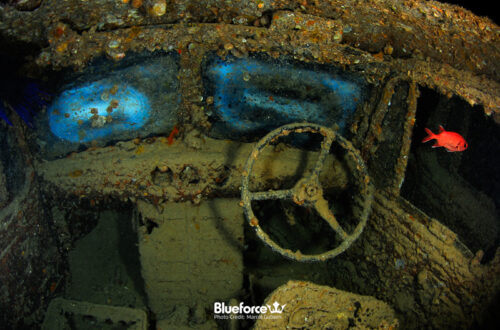
What No One Tells You About Entering a Wreck for the First Time
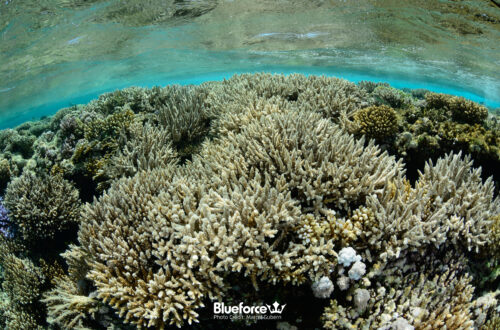
SNORKELING IN THE RED SEA